Header Logo

If you’ve ever caught your dog eyeing your dinner plate or your cat begging for treats, you already know how much food means to your furry friend. But what you feed—and how you feed—can make a world of difference in their long-term health. At Locust Grove Veterinary, your Locust Grove, VA, animal hospital, we believe pet nutrition is the cornerstone of overall wellness. A balanced diet fuels energy, supports a shiny coat, strengthens immunity, and keeps your furry pal feeling their best through every stage of life.
Healthy eating habits for pets don’t need to be complicated. With a few simple changes to your feeding routine, you can give your four-legged companion the nutrients they need to thrive.
Why Pet Nutrition Matters
A healthy pet diet isn’t just about satisfying hunger; it’s about supporting every system in your pet’s body. From digestion to brain function, proper nutrition affects how your pet grows, heals, and ages.
The right nutrients provide benefits such as:
- Improved skin and coat condition
- Stronger bones and joints
- Better digestion and nutrient absorption
- Enhanced immune response
- Consistent energy levels
Conversely, a diet that’s unbalanced or filled with low-quality ingredients can lead to weight gain, allergies, and chronic health problems. Just like humans, pets benefit from high-quality food and mindful eating habits.
Understanding the Basics of a Healthy Pet Diet
Every animal’s nutritional needs are unique, depending on age, breed, size, and activity level. However, most dogs and cats need the same essential components for a well-balanced diet:
- Protein: Builds and maintains muscle tissue.
- Fats: Provide energy and help absorb vitamins.
- Carbohydrates: Supply quick energy and fiber for digestion.
- Vitamins and minerals: Support organ function and bone strength.
- Water: Essential for every metabolic process.
Your veterinarian can help design a diet plan that suits your furry friend’s lifestyle and health needs.
Feeding Guidelines: Quality and Quantity
Even the best food can become a problem if given in the wrong amounts. Overfeeding is one of the most common nutritional mistakes pet owners make.
Measure Meals Consistently
Use a measuring cup or scale rather than eyeballing portions. Feeding guidelines on packaging are a good starting point, but your vet can adjust them based on your pet’s body condition and activity level.
Avoid Free-Feeding
Leaving food out all day encourages overeating, especially for dogs. Cats can sometimes handle grazing, but portion control is still important. Structured mealtimes promote better digestion and make it easier to spot changes in appetite.
Choose High-Quality Food
Look for foods that list whole meats (like chicken or salmon) as the first ingredient, not fillers or by-products. Whole grains, vegetables, and healthy fats add valuable nutrients. Your veterinary clinic can recommend brands that meet your pet’s specific dietary requirements.
It’s also important to provide age-appropriate foods. A senior dog has very different needs than a puppy would. The AKC has some helpful information on feeding puppies, which you can find here.
Proper Feeding for Dogs
Dogs are opportunistic eaters; they’ll gladly eat whatever’s offered (or left unattended). To keep your pup’s diet on track, consider these tips:
- Feed twice a day on a consistent schedule to regulate metabolism.
- Avoid giving table scraps, which can lead to digestive upset and weight gain.
- Incorporate low-calorie snacks like carrots or green beans as healthy treats.
- Provide fresh water at all times.
Some dogs may require special diets for allergies, joint health, or sensitive stomachs. Always consult your veterinarian before switching foods or introducing supplements.
It’s also important to provide age-appropriate foods. A senior dog has very different needs than a puppy would. The AKC has some helpful information on feeding puppies, which you can find here.
Feeding Tips for Cats
Cats are obligate carnivores, meaning they rely heavily on animal protein for optimal health. However, modern indoor lifestyles can make maintaining a healthy weight more challenging.
- Offer wet food to increase moisture intake and support urinary tract health.
- Feed small, frequent meals to mimic natural hunting behavior.
- Rotate between flavors and textures to prevent picky eating.
- Keep feeding stations quiet and stress-free—cats dislike chaos during meals.
If your feline friend begins skipping meals or shows signs of digestive issues, speak with your vet promptly. Cats can develop serious liver problems from not eating regularly.
Supplements can be beneficial, but always check with your vet first. You can learn more about supplements for cats in this article by PetMD.
Reading Pet Food Labels
Understanding labels is essential for making informed choices about your pet’s diet. Look for:
- An AAFCO (Association of American Feed Control Officials) statement ensuring nutritional completeness.
- Clear ingredient lists with recognizable food sources.
- Guaranteed analysis showing protein, fat, and fiber content.
Avoid foods with artificial preservatives, colors, or vague ingredients like meat meal without specific sources. The clearer the label, the better the quality.
Common Feeding Mistakes to Avoid
Even with the best intentions, pet parents sometimes fall into feeding traps. Avoid these common pitfalls to keep your furry friend healthy:
- Too many treats: Treats should make up no more than 10% of total calories.
- Feeding inappropriate human foods: Some foods, like grapes, onions, or chocolate, are toxic to pets.
- Ignoring portion adjustments: Pets need fewer calories as they age or become less active.
- Sudden diet changes: Gradual transitions prevent stomach upset.
Your veterinarian can help identify and correct these mistakes to improve your pet’s nutrition and overall well-being.
Incorporating a Pet Nutrition Guide into Daily Life
Making nutrition part of your everyday routine helps you stay consistent. Try keeping a feeding journal or schedule to track portion sizes, treat frequency, and any new foods introduced. This helps you notice patterns or potential sensitivities early.
Adding variety through healthy treats, new textures, or enrichment feeding (like puzzle feeders) keeps mealtime interesting. It’s also a fun way to engage your pet’s brain while promoting slower, healthier eating habits.
The Role of Veterinary Checkups in Nutrition
Routine checkups at Locust Grove Veterinary are a great way to evaluate your pet’s diet and health. During wellness visits, your vet can:
- Assess body condition and weight trends
- Recommend dietary adjustments for age or activity
- Identify early signs of nutritional deficiencies or food sensitivities
- Provide guidance on supplements if necessary
Nutritional needs can change with age, so what worked for your puppy or kitten might not suit them as an adult or senior. Regular assessments ensure your pet’s diet evolves with their lifestyle.
Frequently Asked Questions
How do I know if my pet is eating the right amount?
You should be able to feel your pet’s ribs but not see them. A defined waistline is another good indicator of healthy weight.
Can I make homemade pet food?
You can, but be careful. It must be properly balanced nutritionally, or you may do more harm than good. Work with your veterinarian to ensure homemade meals meet all nutritional requirements.
Should I give my pet supplements?
Most pets don’t need supplements if they eat a complete diet, but those with certain conditions—like joint issues or allergies—may benefit from added nutrients. Ask your vet first.
Is grain-free food better?
Not necessarily. Grain-free diets aren’t automatically healthier and may not suit all pets. Your vet can determine the best formula for your furry friend.
Visit Our Locust Grove, VA Veterinary Clinic
Are you looking for a vet near me in Locust Grove, VA who can help you fine-tune your pet’s diet? Locust Grove Veterinary offers expert nutrition counseling and individualized feeding plans to keep your dog or cat healthy, active, and thriving. Schedule a wellness exam today and give your furry bestie the gift of lifelong health through proper nutrition.
Want to learn more about our clinic and the services we offer? Visit our main Services page here. You can also read more about our Holistic veterinary medicine here, or our Pet Rehabilitation and Physical Therapy here.
This article is for informational purposes only. Always consult with your veterinarian for personalized advice, diagnosis, or treatment recommendations for your pet.

Creating a Yearly Wellness Routine for Your Pet

Why Microchipping Is a Lifesaver for Dogs and Cats
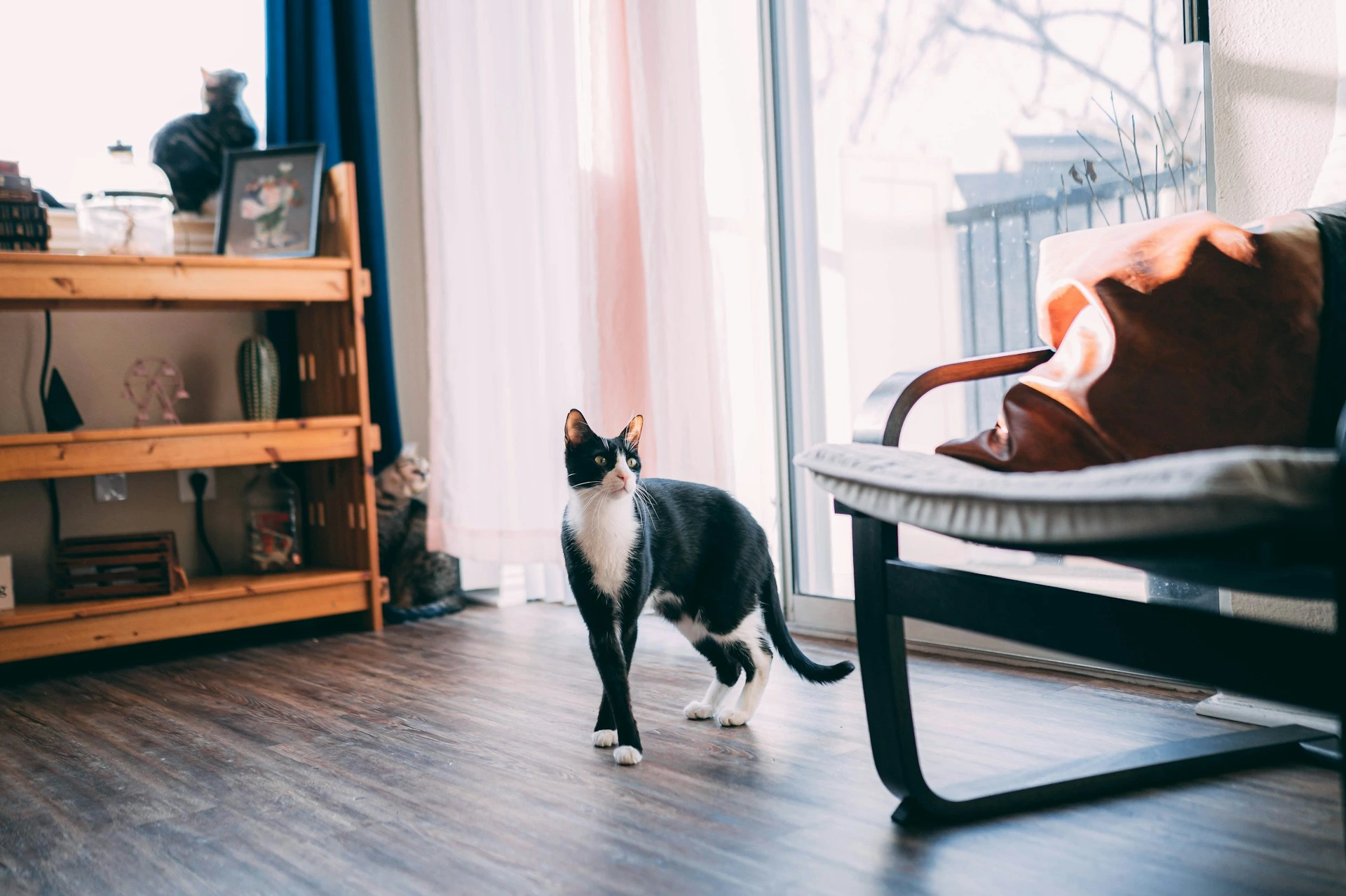
Reading Your Pet’s Body Language Like a Pro
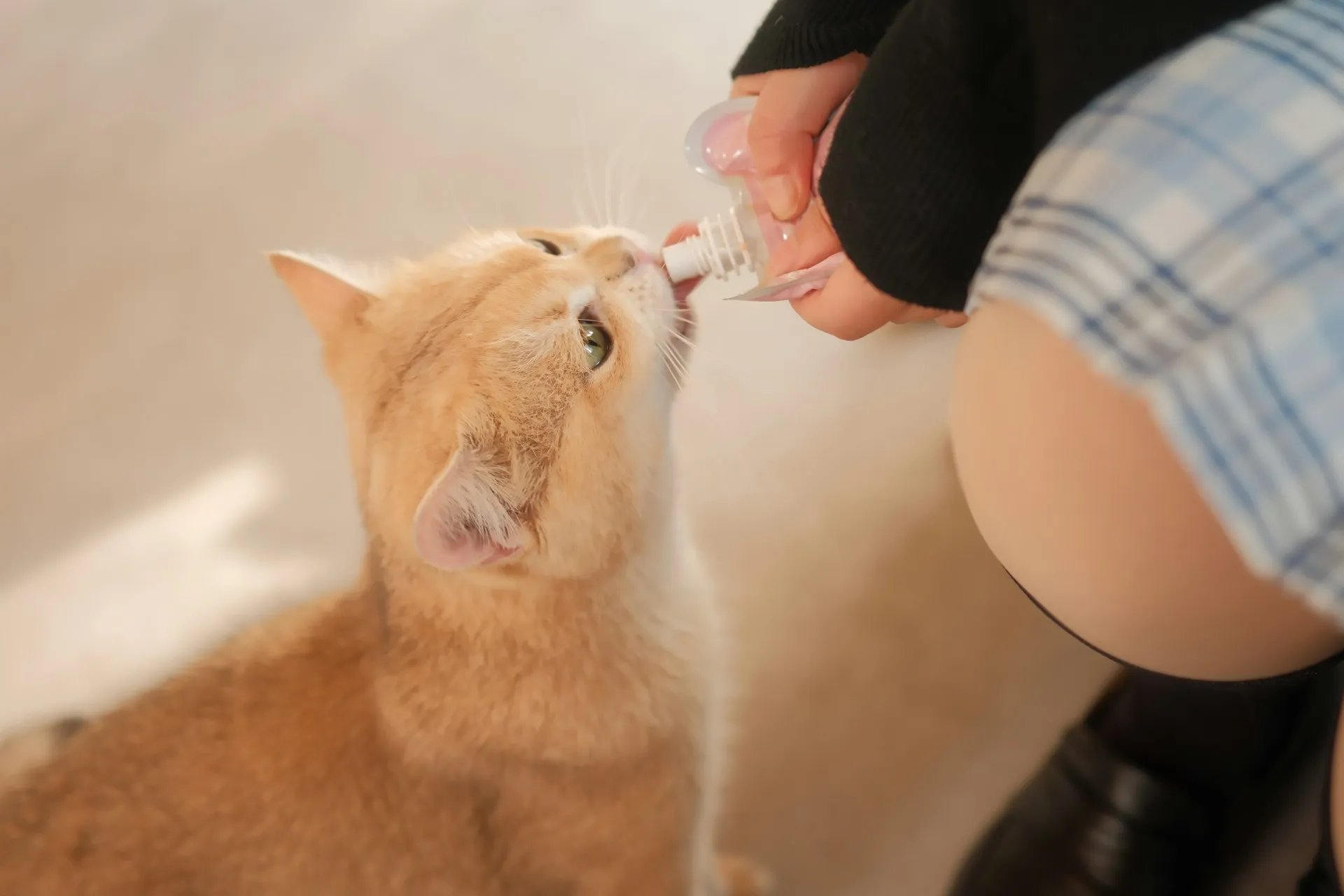
Holistic Pain Relief Options for Aging Pets

How to Help Your Pet Adjust to a New Routine

Adopting a Senior Pet: Why Older Pets Make Great Companions

Why Positive Reinforcement Training Really Works
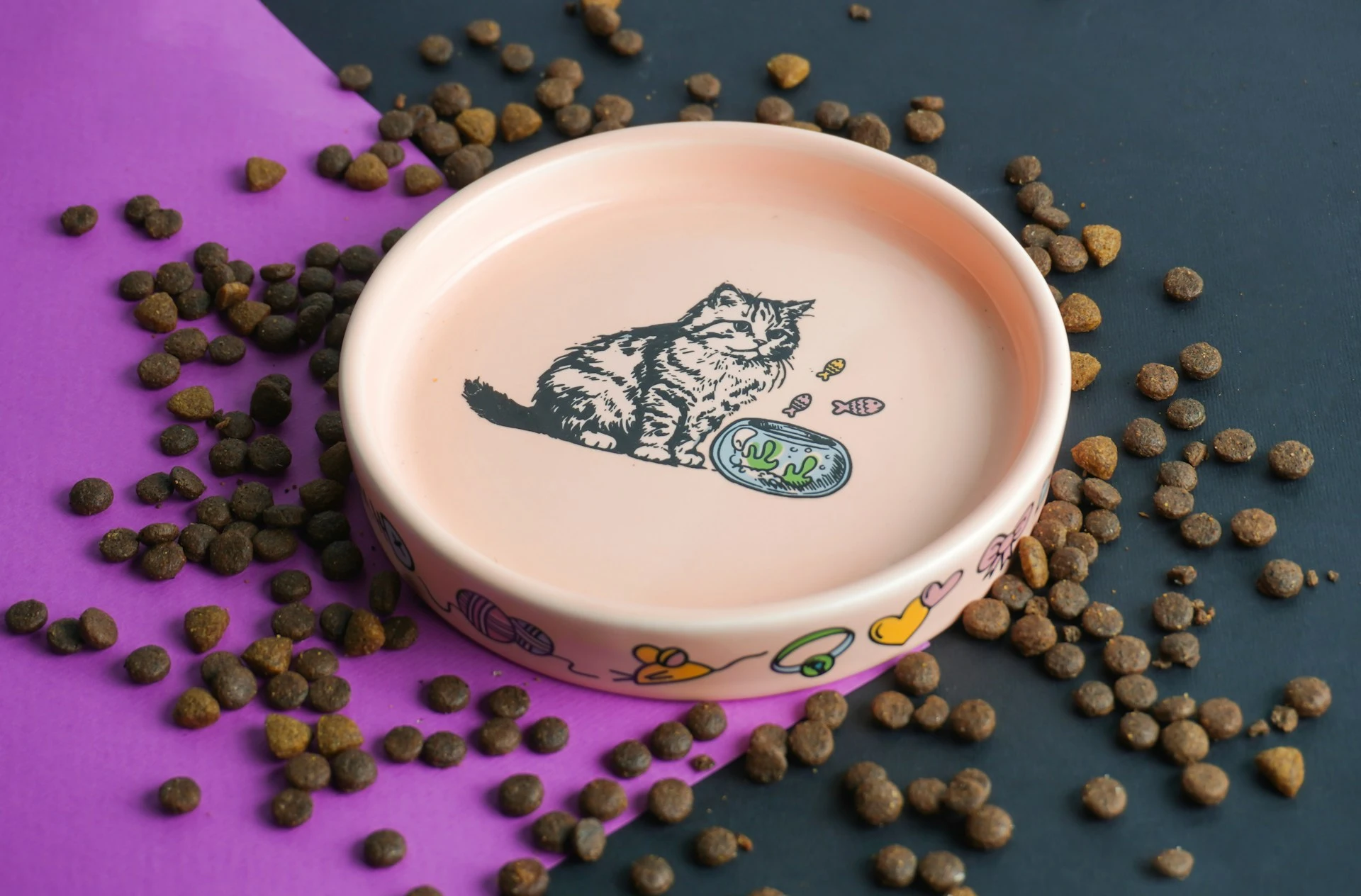
Understanding Food Allergies in Dogs

Safe Play Ideas to Keep Your Dog or Cat Active