Header Logo

Every pet parent’s worst fear is losing their beloved companion. Whether a door is left open or a storm scares your pet into running off, it only takes a moment for them to get lost. At Locust Grove Veterinary in Locust Grove, VA, we know how heartbreaking that can be. We also know there’s a powerful tool that can make all the difference: the pet microchip.
Pet microchipping is one of the simplest and most effective things you can do to increase the chances of your furry friend finding their way back home if they ever get lost. Unlike collars or tags that can fall off or fade, a microchip provides a permanent form of identification that stays with your pet for life.
What Is Pet Microchipping?
A microchip is a tiny device. Each chip is only about the size of a grain of rice. It’s safely implanted just under your pet’s skin, usually between the shoulder blades. Each chip contains a unique identification number that corresponds to your contact information in a secure, national database.
If your dog or cat is found and taken to a veterinary clinic, animal control, or shelter, staff can scan the chip and immediately access your details. This quick process dramatically increases the chances of being reunited with your pet.
The procedure is fast, nearly painless, and requires no anesthesia. Most pets react similarly to receiving a vaccination. Basically, it’s just a brief moment of discomfort. Once implanted, the chip stays in place permanently.
Why Microchipping Matters
Collars and ID tags are important, but they can only help if they remain on your pet. A microchip is your safety net: It can’t be lost, removed, or damaged easily. According to national statistics, pets with microchips are reunited with their families far more often than those without them.
The Benefits of Microchipping
- Permanent identification: Unlike tags, microchips last a lifetime.
- Increased recovery rates: Microchipped dogs are more than twice as likely to be returned home; for cats, the rate increases dramatically.
- Peace of mind: You’ll know your pet always has a way to be identified, even if they wander far from home.
- Simple upkeep: Just keep your contact information current in the registration database.
Microchipping provides a safety net no collar or tag can match. It’s one of the smartest, most compassionate choices you can make as a pet owner.
The Microchipping Process
At Locust Grove Veterinary, the process is simple and stress-free. The chip is inserted with a sterile needle during a regular office visit. This is often done at the same time as vaccinations or spay/neuter procedures.
What to Expect
- Quick and easy procedure: Takes only seconds.
- Minimal discomfort: Comparable to a routine shot.
- Immediate effectiveness: The chip can be scanned right away.
- Lifetime protection: Once registered, your pet is always identifiable.
Your veterinarian will also help you register the microchip with your contact information. Without registration, the chip cannot serve its purpose—so this step is crucial.
Virginia-Maryland College of Veterinary Medicine has some great information on microchipping pets here. The American Veterinary Medical Association has a blog on microchipping, which you can read here.
Keeping Information Up to Date
A microchip is only as helpful as the information it holds. If you move, change phone numbers, or update email addresses, make sure to contact the microchip registry to update your details.
Many chips can be managed through the manufacturer’s website, where you can log in, verify information, and make updates at any time. Your veterinary team can help confirm your pet’s microchip brand and registration database if you’re unsure.
Addressing Common Microchipping Myths
Even though microchipping has been around for years, a few myths still cause hesitation among pet owners. Let’s clear them up.
Microchips track my pet’s location.
Not true. Microchips don’t use GPS or transmit signals. They only store an identification number that can be scanned by a reader. However, you can get your furry friend a GPS tag.
Microchipping is painful.
The chip is inserted with a quick injection under the skin. Most pets barely notice the procedure, and it requires no sedation or recovery time.
Microchips can fall out or malfunction.
This isn’t impossible, but it is extremely rare. Modern microchips are designed to stay securely in place and function for the lifetime of your pet.
My pet never goes outside—why microchip?
Indoor pets can still escape accidentally. Fires, natural disasters, or open doors can all lead to unplanned separation. A microchip ensures they always have a way home.
How Microchipping Helps During Emergencies
Microchips are especially valuable in emergencies when pets might become separated from their families, such as during severe weather or travel. Shelters and rescue groups routinely scan for chips, ensuring quick reunions even when pets end up far from home.
If you frequently travel with your pet or live in an area prone to storms, microchipping provides essential security. It also meets identification requirements for many boarding facilities and international travel regulations.
Combining Microchipping with Other Safety Measures
Microchipping works best when combined with visible ID tags and preventive measures.
- Keep your pet’s collar and tags on at all times.
- Use a sturdy leash and harness for walks.
- Keep recent photos of your pet for identification.
- Regularly check your microchip registration.
This layered approach gives your furry friend the best chance of returning home safely.
Frequently Asked Questions
How soon can I microchip my pet?
Puppies and kittens can be microchipped as early as eight weeks old, often during their first round of vaccinations.
Does the microchip need to be replaced?
No, microchips are designed to last a lifetime. They do not require replacement or recharging.
What happens if I adopt a pet that’s already microchipped?
Your veterinarian can scan the chip and help you update the registration with your information.
Can a microchip harm my pet?
Microchips are biocompatible and safe. They rarely cause any reaction and are inserted just under the skin where they remain harmless.
Visit Our Locust Grove, VA Veterinary Clinic
Are you searching for a vet near me in Locust Grove, VA to help you protect your pet with microchipping? Locust Grove Veterinary offers quick, affordable microchip services to keep your dog or cat safe for life. Call today to schedule an appointment and give your furry friend the best chance of finding their way home if they ever get lost.
Want to learn more about our clinic and the services we offer? Visit our main Services page here. You can also read more about our Holistic veterinary medicine here, or our Pet Rehabilitation and Physical Therapy here.
This article is for informational purposes only. Always consult with your veterinarian for personalized advice, diagnosis, or treatment recommendations for your pet.
Creating a Yearly Wellness Routine for Your Pet
Why Microchipping Is a Lifesaver for Dogs and Cats
Reading Your Pet’s Body Language Like a Pro
Holistic Pain Relief Options for Aging Pets
How to Help Your Pet Adjust to a New Routine
Adopting a Senior Pet: Why Older Pets Make Great Companions

Why Positive Reinforcement Training Really Works
Understanding Food Allergies in Dogs
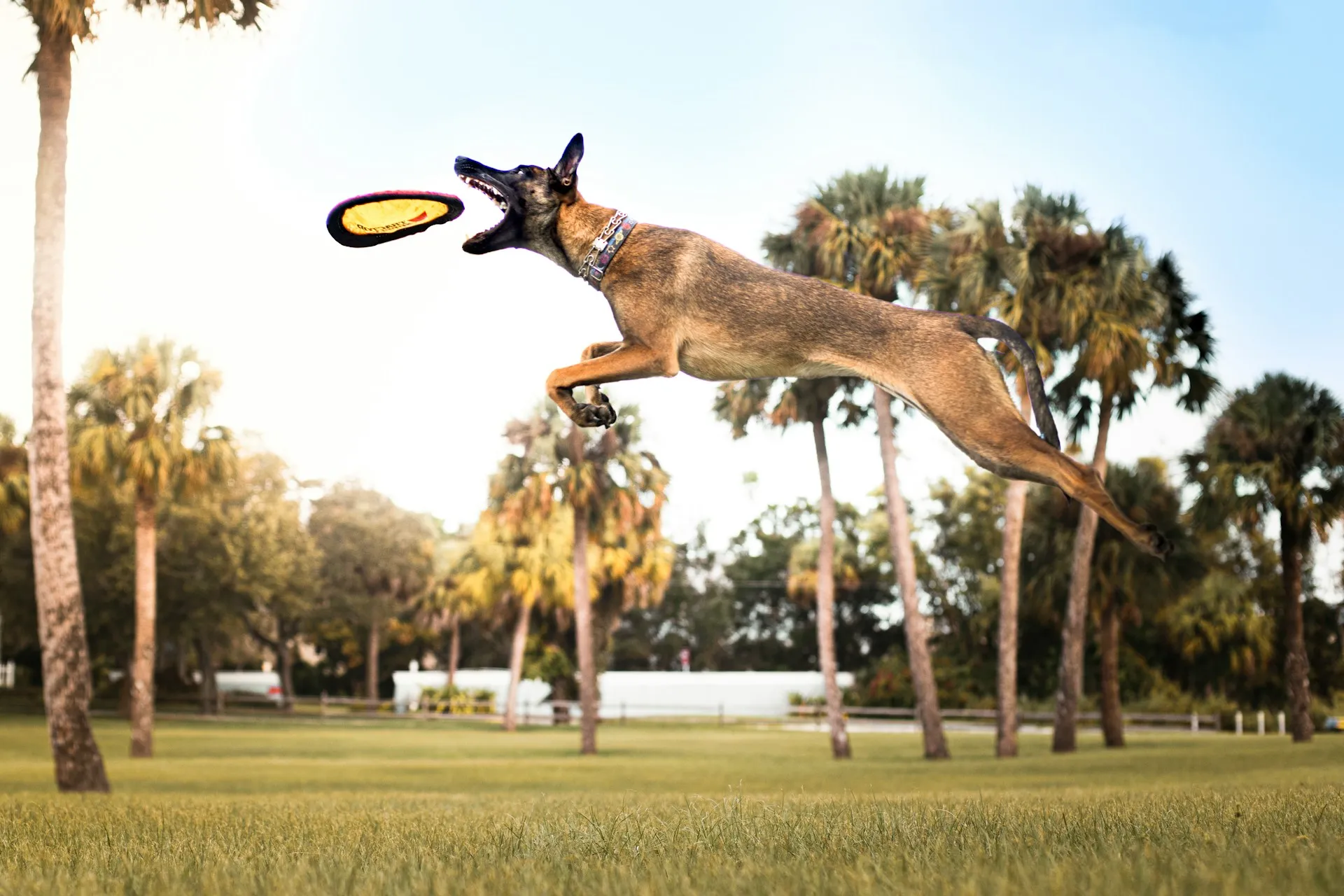
Safe Play Ideas to Keep Your Dog or Cat Active