Header Logo

Have you ever wished your dog or cat could tell you exactly what they’re thinking? The truth is—they already do. At Locust Grove Veterinary in Locust Grove, VA, we remind pet parents that communication doesn’t always come in words. Your furry friend speaks through movement, posture, and expression. Once you learn to interpret pet body language, you’ll understand their moods, needs, and comfort levels more clearly than ever.
Reading body language helps you strengthen your bond with your pet and recognize when they’re relaxed, anxious, excited, or uneasy. Whether it’s a wagging tail or twitching whiskers, every movement has meaning—and learning to decode these signals can prevent misunderstandings and improve your pet’s well-being.
Why Understanding Pet Body Language Matters
Animals rely heavily on body language to communicate with both people and other animals. Dogs and cats use posture, facial expressions, and sounds to express feelings like affection, fear, or frustration. Because they can’t use words, it’s up to you to interpret these cues correctly.
By recognizing what your pet’s body is saying, you can:
- Strengthen your emotional connection
- Avoid stressful situations or potential aggression
- Identify anxiety or illness early
- Create a calmer, more trusting relationship
When you understand their silent language, you can respond appropriately and meet your pet’s emotional needs before problems develop.
Decoding Dog Body Language
Dogs are wonderfully expressive companions. Every tail wag, ear tilt, and head tilt tells a story—once you know what to look for.
The Tail Tells All
A dog’s tail is like an emotional barometer, but the meaning depends on speed, position, and direction—not just wagging.
- Loose, mid-level wag: A friendly, relaxed dog greeting.
- Fast, whole-body wag: Excitement or happiness—common during playtime or greetings.
- Low, slow wag: Uncertainty or submissiveness.
- Tail tucked between legs: Fear or anxiety.
- Tail held high and stiff: Alertness or potential aggression—proceed with caution.
Ears and Eyes
Dog ears are equally expressive.
- Forward ears: Curiosity or alertness.
- Relaxed ears: Calm and content.
- Pinned back ears: Fear, submission, or discomfort.
Watch the eyes, too. Soft, blinking eyes show calmness and trust. Wide, dilated pupils may signal fear, excitement, or aggression, depending on the situation.
Posture and Movement
A confident, happy dog has loose muscles, an open stance, and wagging movements. A fearful or defensive dog will crouch, stiffen, or avoid eye contact.
Signs your dog feels relaxed:
- Open mouth, possibly panting lightly
- Ears in a neutral position
- Tail relaxed and moving slowly
- Weight evenly distributed on all four paws
Signs of stress or tension:
- Body rigid or leaning backward
- Yawning excessively (a calming signal)
- Licking lips when not eating
- Avoiding eye contact or trying to leave the situation
Understanding these cues allows you to adjust your own behavior—giving your canine buddy the space or comfort they need.
Understanding Cat Body Language
Cats may be more subtle communicators than dogs, but their body language speaks volumes once you know how to interpret it. From tail twitches to ear angles, your feline friend’s posture reveals their inner mood.
The Tail: A Feline Mood Meter
Your cat’s tail acts as a communication tool and balance mechanism.
- Tail held high: Confidence and friendliness.
- Tail tucked low: Fear or submission.
- Tail puffed up: Alarm or aggression.
- Slow tail swish: Focus or mild irritation.
- Rapid tail flicking: Frustration or agitation—time to give them space.
Ears and Eyes
Cat ears are like radar dishes that reveal curiosity and emotion.
- Forward ears: Interest or playfulness.
- Ears sideways: Caution or uncertainty.
- Ears flattened back: Anger, fear, or defensive behavior.
The eyes are equally telling. Slow blinking shows trust and affection—a sure sign your feline friend feels safe. Wide, dilated pupils may indicate excitement or fear. Direct staring, however, can feel threatening to cats.
Body Posture and Movement
- Relaxed posture: Loose limbs, soft facial expression, and slow movements.
- Tense or crouched body: Anxiety or preparation to flee.
- Arched back with fur raised: Fear or aggression—classic Halloween cat mode.
- Rolling onto the back: Relaxation—or readiness to play or defend, depending on context.
Cats are masters of subtlety. Watching combinations of body signals (tail, ears, and posture together) gives you the clearest picture of their emotions.
Best Friends Animal Society has an article on canine body language here. There’s a helpful article about Fluffy’s body language on the PetMD website here
Understanding Pet Emotions
Your pet’s body language reflects a wide range of emotions—from joy and curiosity to stress and discomfort. Recognizing these feelings allows you to respond appropriately and build trust.
Signs of Happiness and Contentment
- Relaxed muscles and body posture
- Soft eyes or slow blinking
- Gentle purring (cats) or wagging tails (dogs)
- Seeking attention or playtime
- Normal appetite and grooming
Signs of Anxiety or Stress
- Avoiding eye contact
- Panting or drooling when not hot
- Restlessness or hiding
- Ears pinned back
- Excessive grooming or scratching
- Loss of interest in food or play
Stress-related behavior should never be ignored. Over time, chronic anxiety can lead to health or behavioral issues. If your pet seems persistently tense or withdrawn, schedule a wellness visit to rule out medical causes.
How to Respond to Your Pet’s Signals
Once you start reading pet body language accurately, you can use that information to communicate better.
Respect Their Boundaries
If your cat flattens their ears or your dog tenses up, step back and give them space. Pushing physical contact when they’re uncomfortable can increase stress or even provoke aggression.
Use Calm, Positive Reinforcement
When your pet shows curiosity or calm behavior, reward it with gentle praise, treats, or affection. This encourages positive emotional associations.
Observe the Whole Picture
Never judge body language by one sign alone. A wagging tail doesn’t always mean happiness, just as a meow or bark doesn’t always signal friendliness. Consider the combination of posture, expression, and situation before reacting.
Building a Stronger Bond Through Understanding
Learning to interpret your pet’s communication builds trust and reduces frustration for both of you. When your furry pal knows you get them, they feel safer and more secure in your care.
You’ll also become more attuned to changes in behavior that could signal illness, pain, or emotional distress. The earlier veterinary intervention.
Frequently Asked QuestionsWhy does my dog wag his tail but still seem nervous?
A wagging tail can indicate many emotions, including uncertainty or anxiety. Pay attention to the tail’s height and movement speed to interpret it accurately.
What does it mean when my cat’s ears twitch back and forth?
Twitching ears often indicate mild irritation or overstimulation. Give your cat space or switch to a calmer activity.
How can I tell if my pet is stressed?
Look for physical cues like tense muscles, dilated pupils, or hiding. Behavioral changes—like reduced appetite or increased vocalization—can also indicate stress.
Why does my cat stare at me?
Sometimes it’s affection; sometimes it’s curiosity. If your cat follows it with a slow blink, it’s a sign of trust and love.
Visit Our Locust Grove, VA Veterinary Clinic
Are you searching for a vet near me in Locust Grove, VA to help you better understand your pet’s behavior and emotions? Locust Grove Veterinary provides expert guidance on interpreting pet body language and managing behavioral concerns for a happier, healthier bond. Call today to schedule a consultation and learn how to speak your pet’s language more fluently.
Want to learn more about our clinic and the services we offer? Visit our main Services page here. You can also read more about our Holistic veterinary medicine here, or our Pet Rehabilitation and Physical Therapy here.
This article is for informational purposes only. Always consult with your veterinarian for personalized advice, diagnosis, or treatment recommendations for your pet.

Creating a Yearly Wellness Routine for Your Pet

Why Microchipping Is a Lifesaver for Dogs and Cats
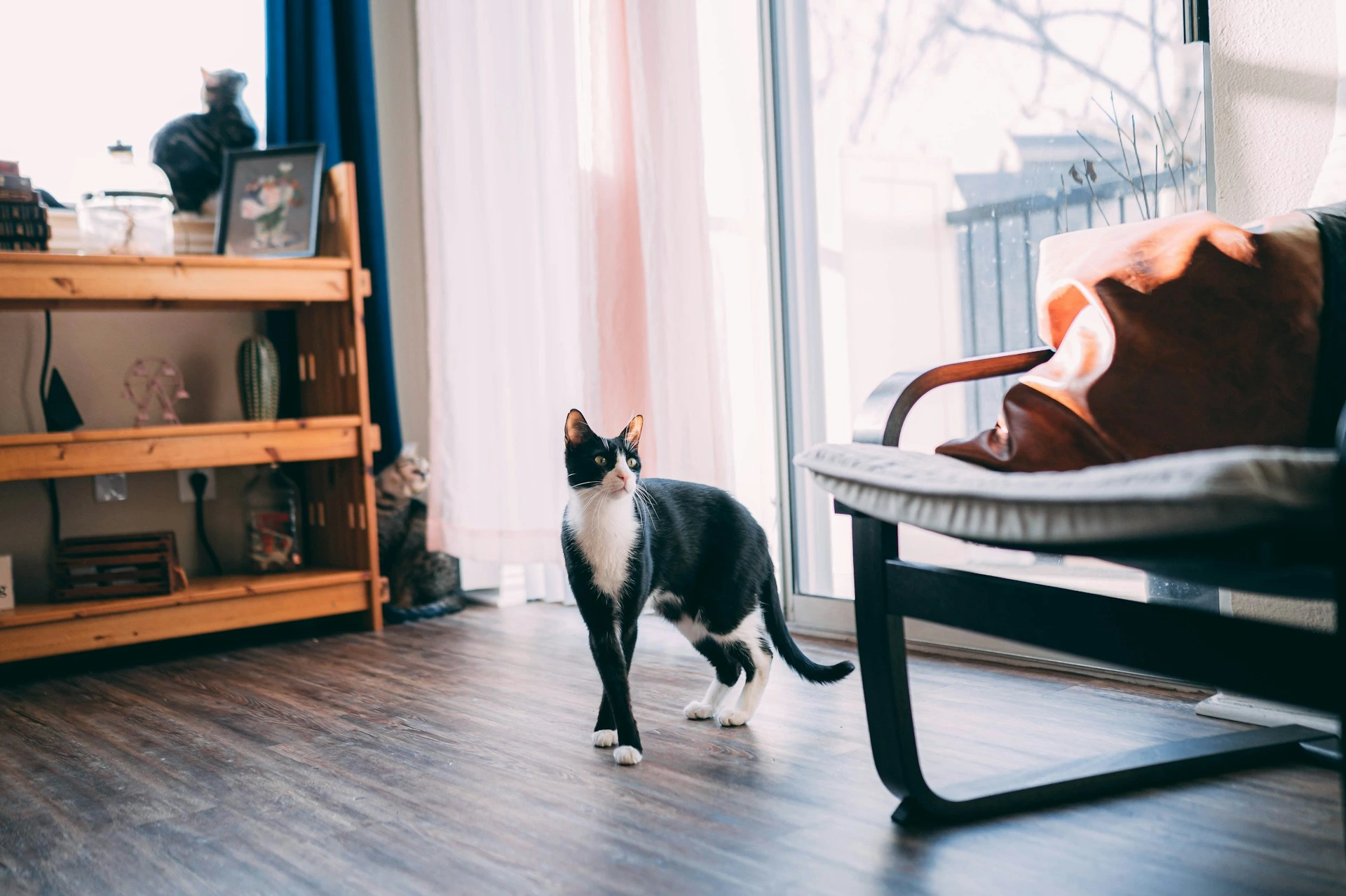
Reading Your Pet’s Body Language Like a Pro
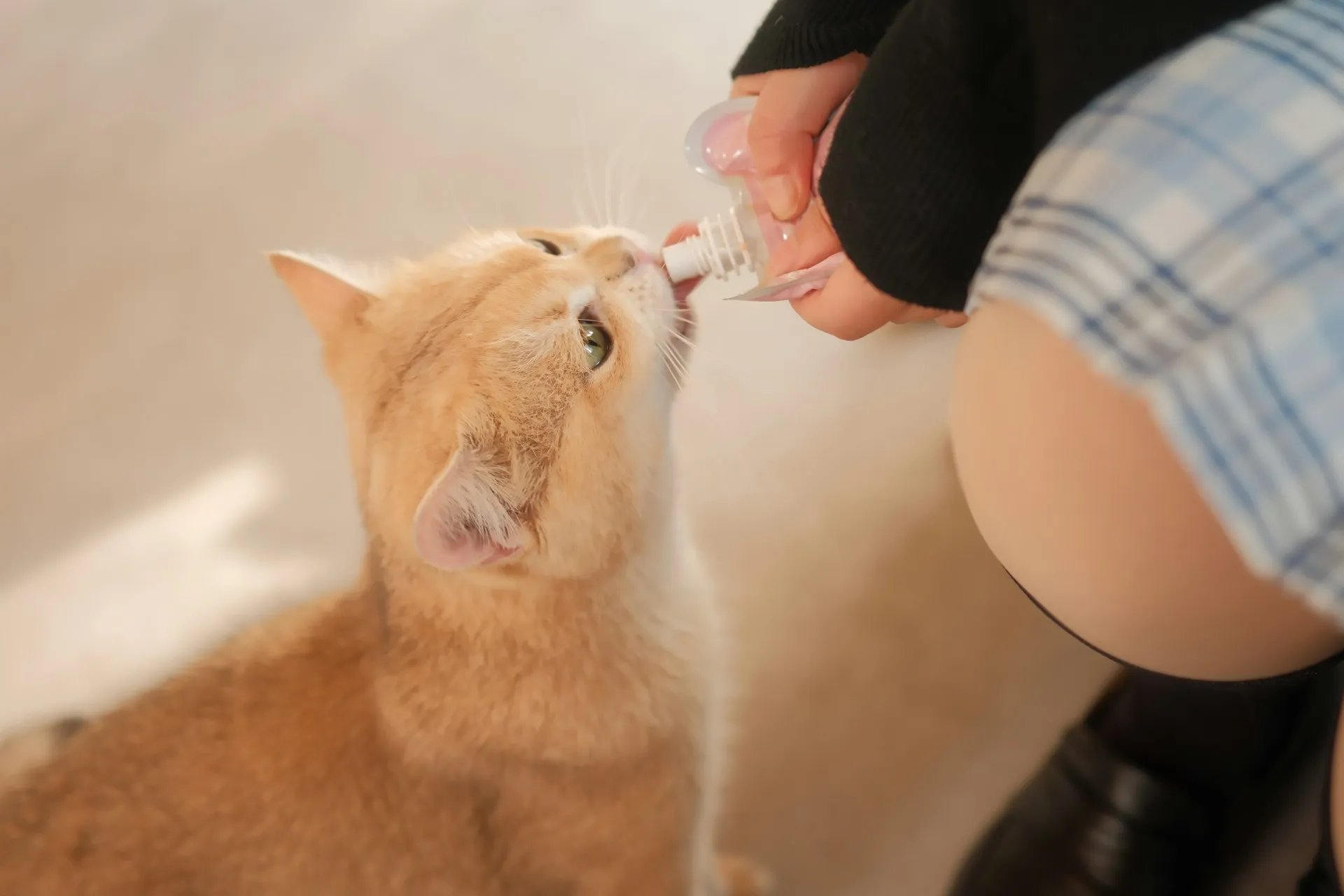
Holistic Pain Relief Options for Aging Pets

How to Help Your Pet Adjust to a New Routine

Adopting a Senior Pet: Why Older Pets Make Great Companions

Why Positive Reinforcement Training Really Works

Understanding Food Allergies in Dogs
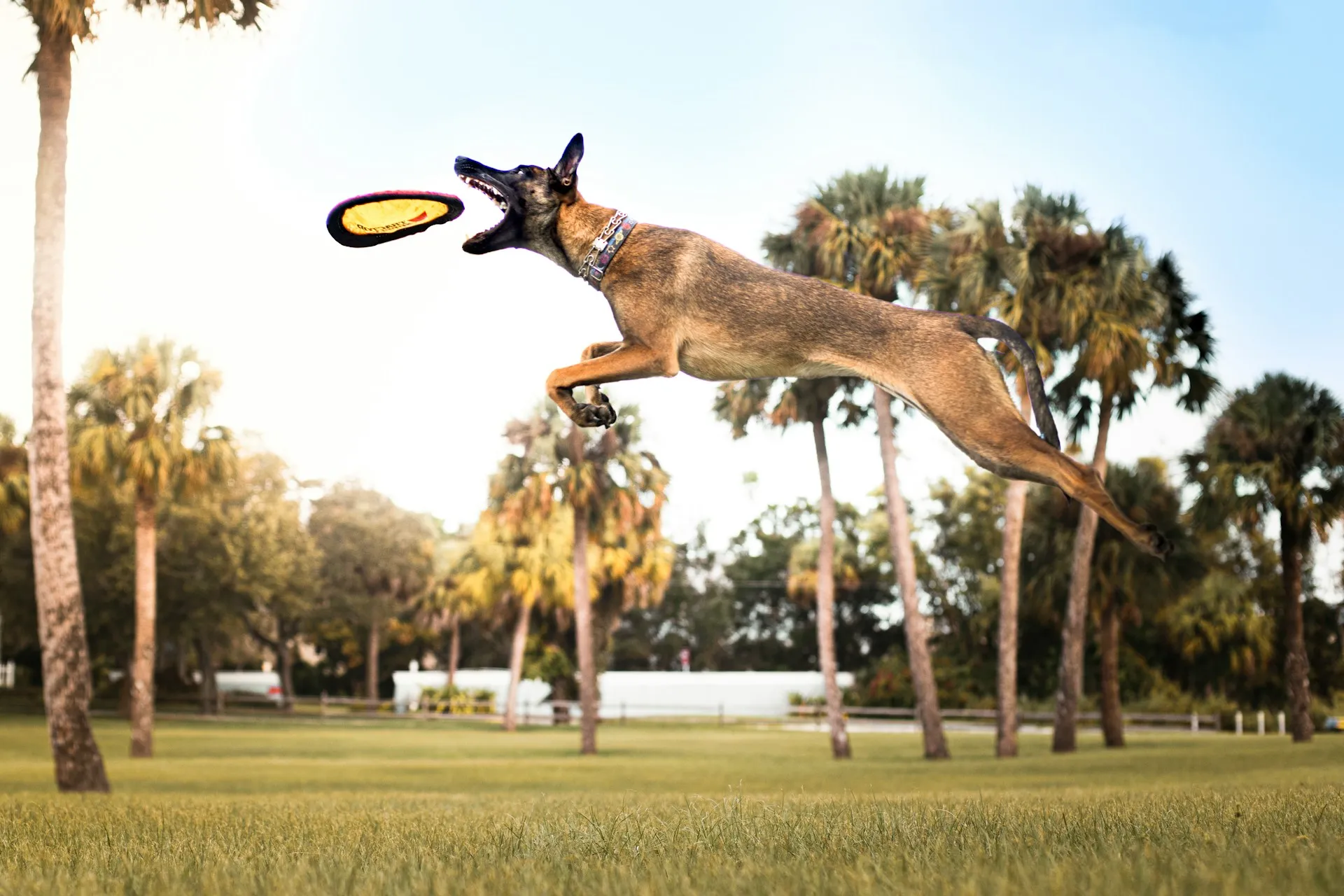
Safe Play Ideas to Keep Your Dog or Cat Active