Header Logo

Does your dog pace and whine during thunderstorms, or does your cat disappear under the bed when guests arrive? At Locust Grove Veterinary in Spotsylvania, VA, we know that pet anxiety can affect even the most confident furry friends. Just like humans, dogs and cats experience stress, but the signs often go unnoticed until they start impacting behavior, appetite, or health.
Understanding what causes your pet’s anxiety is the first step toward helping them feel safe and secure. With patience, the right strategies, and professional guidance, you can create a calmer environment and restore your furry friend’s peace of mind.
Recognizing the Signs of Pet Anxiety
Anxiety can show up in many different ways. Some pets become clingy, while others withdraw completely. Knowing what to look for helps you intervene early, before stress turns into more serious behavioral problems.
Common Signs of Anxiety in Dogs
- Trembling, whining, or hiding
- Destructive chewing or scratching
- Pacing or restlessness
- Excessive barking or howling when left alone
- Refusal to eat or follow commands
Common Signs of Anxiety in Cats
- Hiding or isolating for long periods
- Excessive grooming or hair loss
- Refusing food or using the litter box
- Flattened ears, puffed tails, or hissing
- Sudden aggression toward people or other pets
If your pet displays one or more of these behaviors, they may be experiencing anxiety. Identifying the triggers is key to finding effective ways to help.
You can read more about canine anxiety at the AKC website here. PetMD has an article on feline anxiety here.
Common Causes of Pet Anxiety
Anxiety can stem from a variety of factors—some environmental, others emotional or physical.
- Separation: Many pets struggle when left alone for long periods.
- Loud noises: Thunderstorms, fireworks, and even vacuum cleaners can trigger fear.
- New environments: Moving homes, introducing new pets, or changing routines can cause stress.
- Past trauma: Rescue pets sometimes carry emotional baggage from previous experiences.
- Health issues: Pain, illness, or aging can increase sensitivity and anxiety.
Your veterinarian can help determine whether your pet’s anxiety is primarily behavioral or medical, allowing you to address the root cause effectively.
Calming Anxious Dogs
Your canine companion depends on routine and reassurance to feel safe. If you’ve noticed your pup struggling with nervousness or fear, these calming anxious dogs techniques can make a difference.
Establish a Predictable Routine
Dogs feel more secure when they know what to expect. Try to maintain consistent feeding, walking, and bedtime schedules. Predictability helps reduce stress by creating stability.
Provide Plenty of Exercise
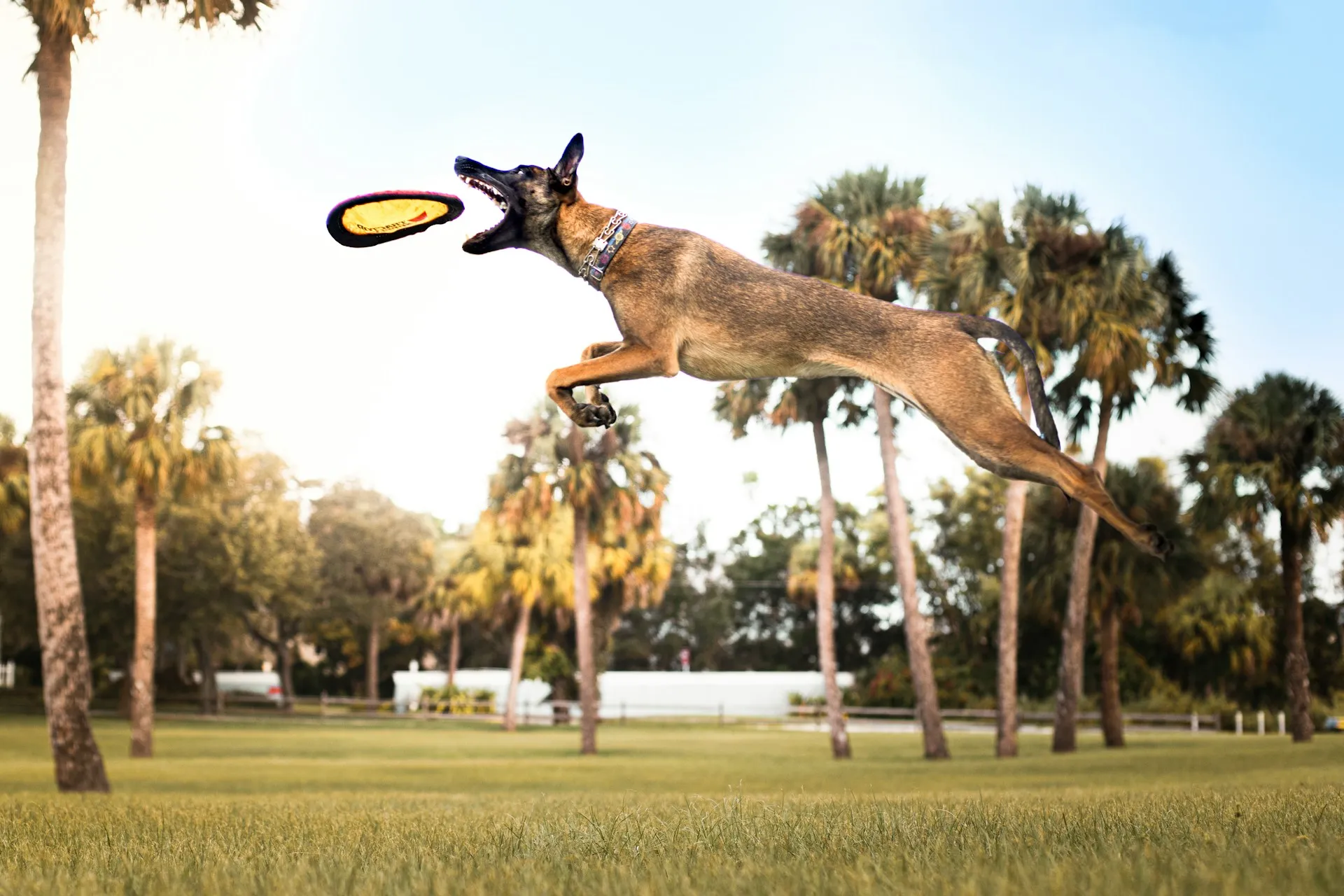
Regular exercise burns off excess energy and reduces tension. A brisk walk, a game of fetch, or interactive playtime helps your canine friend release stress naturally. Physical activity also stimulates serotonin, the feel-good hormone.
Create a Safe Haven
Designate a quiet, comfortable space where your pup can retreat when feeling overwhelmed. A crate, cozy corner, or soft bed away from noise can serve as their safe zone.
Use Positive Reinforcement
When your dog remains calm during stressful events, reward that behavior with praise or a small treat. Over time, this reinforces a sense of control and confidence.
Try Gentle Soothing Techniques
Soft music, calming scents like lavender (in pet-safe forms), and slow, relaxed movements can help your furry pal relax. Avoid scolding or punishment; it often worsens anxiety.
Easing Stress in Cats
Cats are naturally sensitive creatures who prefer control over their surroundings. When things change suddenly, stress can creep in quickly. These pet relaxation tips can help your feline friend stay composed.
Maintain Familiarity
Cats thrive on consistency. Keep feeding, play, and rest times predictable. Introduce new people, pets, or furniture gradually to avoid overwhelming your kitty.
Offer Hiding Spots
Your feline companion feels safest when they can observe from a secure place. Provide covered beds, cat trees, or boxes where they can retreat when nervous.
Use Play and Enrichment
Interactive toys, scratching posts, and puzzle feeders engage your cat’s natural instincts and provide healthy outlets for energy and curiosity. Mental stimulation helps relieve stress and boredom.
Calming Aids and Scents
Pheromone diffusers and sprays can mimic a cat’s natural scent markers, signaling safety. Soft background sounds, like gentle classical music, may also help soothe your feline friend.
Avoid Forcing Interaction
If your cat hides, let them come out on their own terms. Forcing contact can increase fear. Patience and calm presence are more effective than coaxing.
Veterinary Support for Anxious Pets
At Locust Grove Veterinary, we understand that pet anxiety can sometimes be more than an emotional issue. Underlying pain, illness, or neurological changes may contribute to nervous behavior. That’s why our veterinarians perform a full physical exam to rule out medical causes before recommending a treatment plan.
Depending on the situation, we may suggest:
- Environmental modifications and enrichment ideas
- Behavioral training or desensitization techniques
- Safe, veterinarian-approved calming supplements or medications
- Guidance on managing anxiety triggers at home
Combining behavioral and medical support ensures that both the body and mind are cared for.
Helping Pets During Stressful Events
Whether it’s a thunderstorm or a vet visit, these short-term strategies can help pets feel secure during stressful moments:
- Close curtains and play gentle music to mask outside noises.
- Provide distraction with toys, treats, or puzzle feeders.
- Stay calm yourself—pets pick up on human emotions.
- Avoid comforting fearful pets too much, as this can reinforce fear. Instead, model calm behavior and reward relaxation.
Building Confidence and Trust
Confidence is one of the best antidotes to anxiety. When your pet feels secure in their environment and trusts their human, stress responses naturally decrease. Spend quality time together, use positive reinforcement, and create a safe, nurturing routine.
Training classes, gentle socialization, and enrichment activities all build confidence over time. The goal isn’t to eliminate fear entirely but to help your pet handle it in a healthy way.
Frequently Asked Questions
Why is my dog suddenly anxious at night?
Dogs may become restless at night due to aging, discomfort, or environmental changes. Try a bedtime routine with soft lighting, calm music, and familiar bedding.
Can cats develop anxiety after moving?
Yes. Cats often react strongly to new environments. Keep their space consistent, unpack familiar items first, and give them time to adjust.
Are natural remedies safe for pet anxiety?
Many natural options—such as calming pheromones or mild herbal blends—can help, but always consult your vet before introducing any new supplement or essential oil.
When should I seek veterinary help for anxiety?
If your pet’s anxiety leads to destructive or aggressive behavior, persistent withdrawal, or self-injury, schedule an appointment with your veterinarian right away.
Visit Our Spotsylvania, VA Veterinary Clinic
Are you looking for a vet near me in Spotsylvania, VA to help your furry friend overcome anxiety? Locust Grove Veterinary offers compassionate care and proven techniques to reduce stress and improve emotional balance for both dogs and cats. Schedule a consultation today to learn more about customized plans for pet anxiety relief.
Want to learn more about our clinic and the services we offer? Visit our main Services page here. You can also read more about our Holistic veterinary medicine here, or our Pet Rehabilitation and Physical Therapy here.
This article is for informational purposes only. Always consult with your veterinarian for personalized advice, diagnosis, or treatment recommendations for your pet.
Creating a Yearly Wellness Routine for Your Pet

Why Microchipping Is a Lifesaver for Dogs and Cats
Reading Your Pet’s Body Language Like a Pro
Holistic Pain Relief Options for Aging Pets
How to Help Your Pet Adjust to a New Routine
Adopting a Senior Pet: Why Older Pets Make Great Companions
Why Positive Reinforcement Training Really Works
Understanding Food Allergies in Dogs
Safe Play Ideas to Keep Your Dog or Cat Active