Header Logo

Whether you’ve just moved homes, started a new job, or welcomed a new family member, even small shifts in your daily life can feel like big changes to your furry friend. At Locust Grove Veterinary in Locust Grove, VA, we often remind pet parents that animals thrive on predictability. A consistent pet routine gives them a sense of safety and stability. When that routine changes, it can take a little time and guidance to help them adapt.
Your dog or cat doesn’t understand why things suddenly feel different; they just know that normal has changed. With a bit of patience and a few thoughtful strategies, you can help your companion adjust smoothly and confidently to their new schedule.
Why Routine Matters for Pets
Structure provides comfort. Pets, much like people, feel more secure when they can anticipate what’s coming next—mealtime, walks, playtime, or bedtime. Predictable routines help regulate their mood, appetite, and even digestion.
When schedules shift, pets can experience stress, anxiety, or confusion. You might notice:
- Increased vocalization or clinginess
- Restlessness or pacing
- Accidents in the house or litter box
- Changes in eating or sleeping patterns
- Withdrawal or hiding
These behaviors are your pet’s way of expressing uncertainty. Recognizing their signs of stress allows you to step in early with reassurance and structure.
Adjusting Your Pet to Change
Every pet is unique, but there are proven methods to help them handle transitions with ease. Whether it’s a new work schedule, a move, or seasonal changes, the key is consistency paired with gentle flexibility.
Start Small When Possible
If you know a major change is coming—like a move or a new baby—begin adjusting your pet’s routine gradually. Shift feeding times or walk schedules in small increments over several days or weeks so your pet has time to adapt.
For example, if you’ll be leaving for work earlier, start moving morning activities forward a few minutes each day until the new schedule feels natural.
Keep Core Activities Consistent
Even if your schedule changes, try to keep your pet’s essential daily events, like meals, walks, and playtime—at roughly the same time each day. These anchor points provide stability and help your pet feel grounded.
Maintain Familiar Comforts
Familiar scents, sounds, and objects help pets feel secure. If you’ve recently moved, set up their bed, toys, and food bowls first. Avoid washing blankets or bedding right away—their scent provides reassurance.
For cats, bring out scratching posts, perches, and hiding spots as soon as possible to create a sense of ownership and comfort in the new space.
Provide Extra Attention and Reassurance
Your presence is your pet’s greatest source of comfort. During times of change, spend a little extra time bonding. Snuggle on the couch, go for a relaxed walk, or play their favorite game.
Routine affection reassures your pet that even though the environment has changed, your relationship hasn’t.
Helping Dogs Adjust to a New Routine
Dogs tend to mirror their owner’s emotions. If you’re stressed, they’ll feel it too. Keeping calm and confident helps your canine friend feel safe.
Reinforce Training and Structure
Returning to basic commands—like sit, stay, and come—gives dogs a sense of purpose and familiarity. It also provides mental stimulation, which helps redirect anxious energy.
Exercise and Playtime
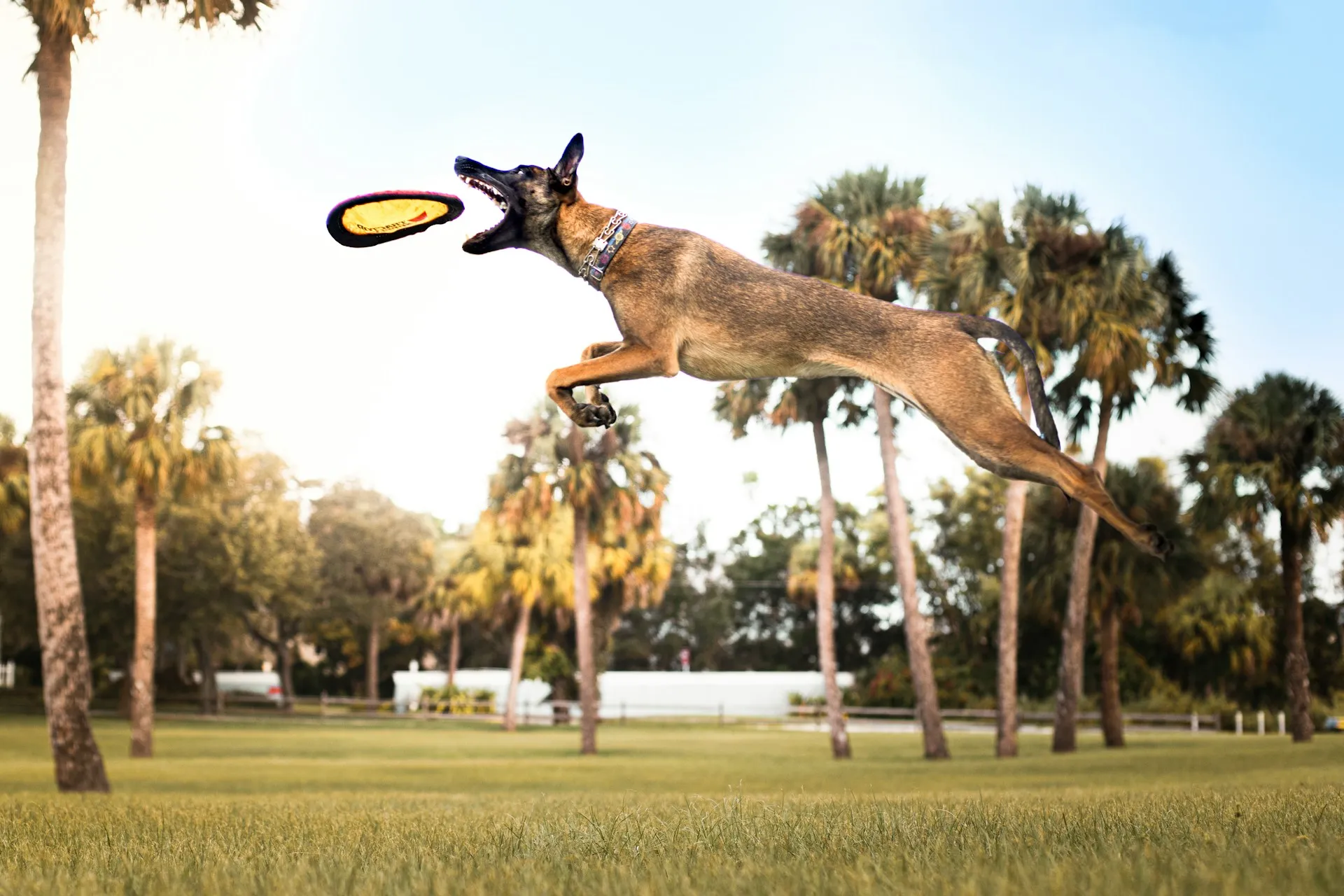
A well-exercised dog is a relaxed dog. Physical activity helps relieve stress and encourages healthy sleep patterns. Even short walks or a quick game of fetch can make a big difference in how easily your pup adjusts.
Provide Enrichment When You’re Away
If your new schedule keeps you out longer, leave interactive toys or puzzle feeders to keep your dog engaged. You can also use soothing background sounds, like music or a white noise machine, to make alone time less stressful.
Gradual Independence
If your pet is used to constant company—such as during remote work transitions—help them build independence. Leave them alone for short periods and gradually increase time apart. Reward calm behavior with praise or treats.
Apartment Therapy has an article on this here. Dogs Trust shared some insight about getting Fido on a daily doggy schedule here.
Helping Cats Adjust to Change
Cats are creatures of habit and can be particularly sensitive to disruptions in their environment. But with patience, they can adapt beautifully.
Create a Safe Space
When life gets hectic, cats need a quiet area to retreat to. Set up a cozy spot with a soft blanket, hiding space, food, and water. This sanctuary helps them feel secure while they process the new normal.
Keep Routines Predictable
Try to keep feeding times, play sessions, and litter box cleaning consistent. Even small elements of routine—like a favorite toy or a regular cuddle session—help reassure your feline friend that they’re still in control of part of their world.
Encourage Exploration Gradually
If you’ve moved or rearranged your home, let your cat explore at their own pace. Don’t force them into new rooms right away—curiosity will take over once they feel safe.
Use Calming Tools
Feline pheromone diffusers or sprays can help reduce stress during transitions. Soft background noise and dim lighting can also make a new space feel calm and familiar.
Managing Seasonal or Schedule Changes
Sometimes, a new routine is simply the result of changing daylight, weather, or your daily schedule. Pets notice these shifts more than we realize.
- Shorter days: Provide extra indoor play sessions when outdoor time is limited.
- Back-to-school or new job schedules: Start adjusting wake-up, feeding, and walk times before the big change.
- Holiday routines: Keep meals and exercise consistent amid the excitement.
Predictability helps pets stay balanced, no matter what time of year it is.
Pet Daily Routine Tips
Maintaining structure doesn’t have to be complicated. These small adjustments make a big difference:
- Feed at consistent times each day.
- Schedule bathroom breaks regularly for dogs.
- Dedicate daily time for affection and play.
- Keep bedtime and wake-up routines steady.
- Include quiet time for rest and relaxation.
Stability helps reduce stress, prevent destructive behaviors, and support good health.
When to Ask for Veterinary or Behavioral Help
Sometimes, even with patience and consistency, pets struggle to adjust. If your dog or cat shows prolonged anxiety, aggression, loss of appetite, or changes in elimination habits, it may be time to consult your veterinarian.
At Locust Grove Veterinary, we can rule out medical causes and recommend behavior modification strategies or calming therapies tailored to your pet’s needs. Helping your pet feel safe and confident is a team effort—and we’re here to guide you every step of the way.
Frequently Asked Questions
How long does it take for a pet to adjust to a new routine?
Most pets adapt within a few weeks, but some may take longer depending on their age, personality, and the extent of the change.
What should I do if my pet stops eating after a change?
Stress can temporarily affect appetite. Offer familiar foods, keep a calm environment, and contact your vet if the issue lasts more than a day or two.
Can changing routines cause behavioral problems?
Yes, sudden disruptions can lead to anxiety or unwanted behaviors. Keeping parts of the routine consistent and offering enrichment helps prevent this.
Is it harder for senior pets to adjust?
Older pets may need more time to adapt, but they can still adjust successfully with gentle guidance, consistency, and comfort.
Visit Our Locust Grove, VA Veterinary Clinic
Are you searching for a vet near me in Locust Grove, VA to help your pet adapt to life changes or a new routine? Locust Grove Veterinary offers compassionate care and personalized guidance to ease transitions and support your pet’s emotional well-being. Call today to schedule a visit and help your furry friend settle into their new rhythm with confidence.
Want to learn more about our clinic and the services we offer? Visit our main Services page here. You can also read more about our Holistic veterinary medicine here, or our Pet Rehabilitation and Physical Therapy here.
This article is for informational purposes only. Always consult with your veterinarian for personalized advice, diagnosis, or treatment recommendations for your pet.
Creating a Yearly Wellness Routine for Your Pet

Why Microchipping Is a Lifesaver for Dogs and Cats
Reading Your Pet’s Body Language Like a Pro
Holistic Pain Relief Options for Aging Pets
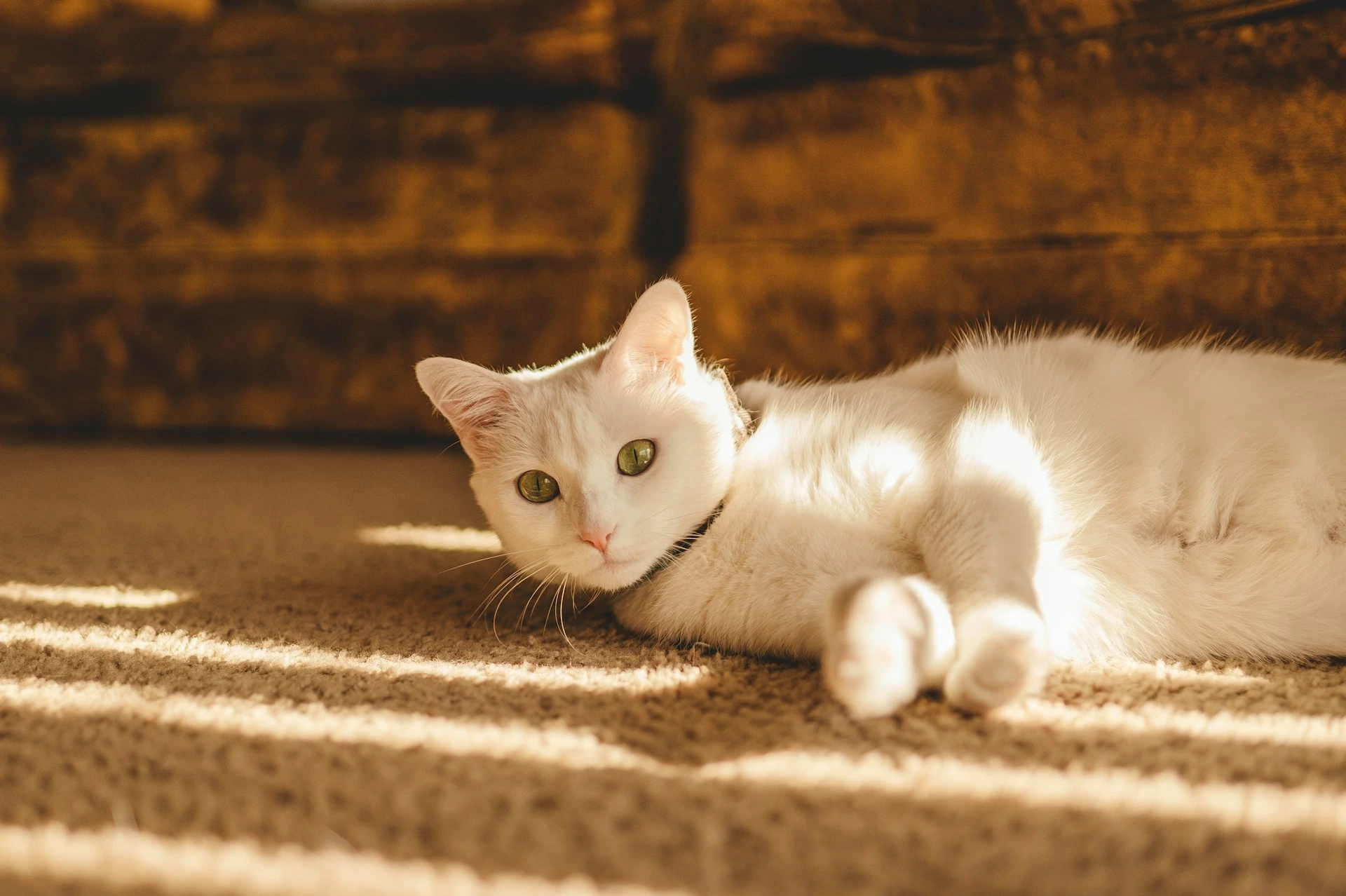
How to Help Your Pet Adjust to a New Routine
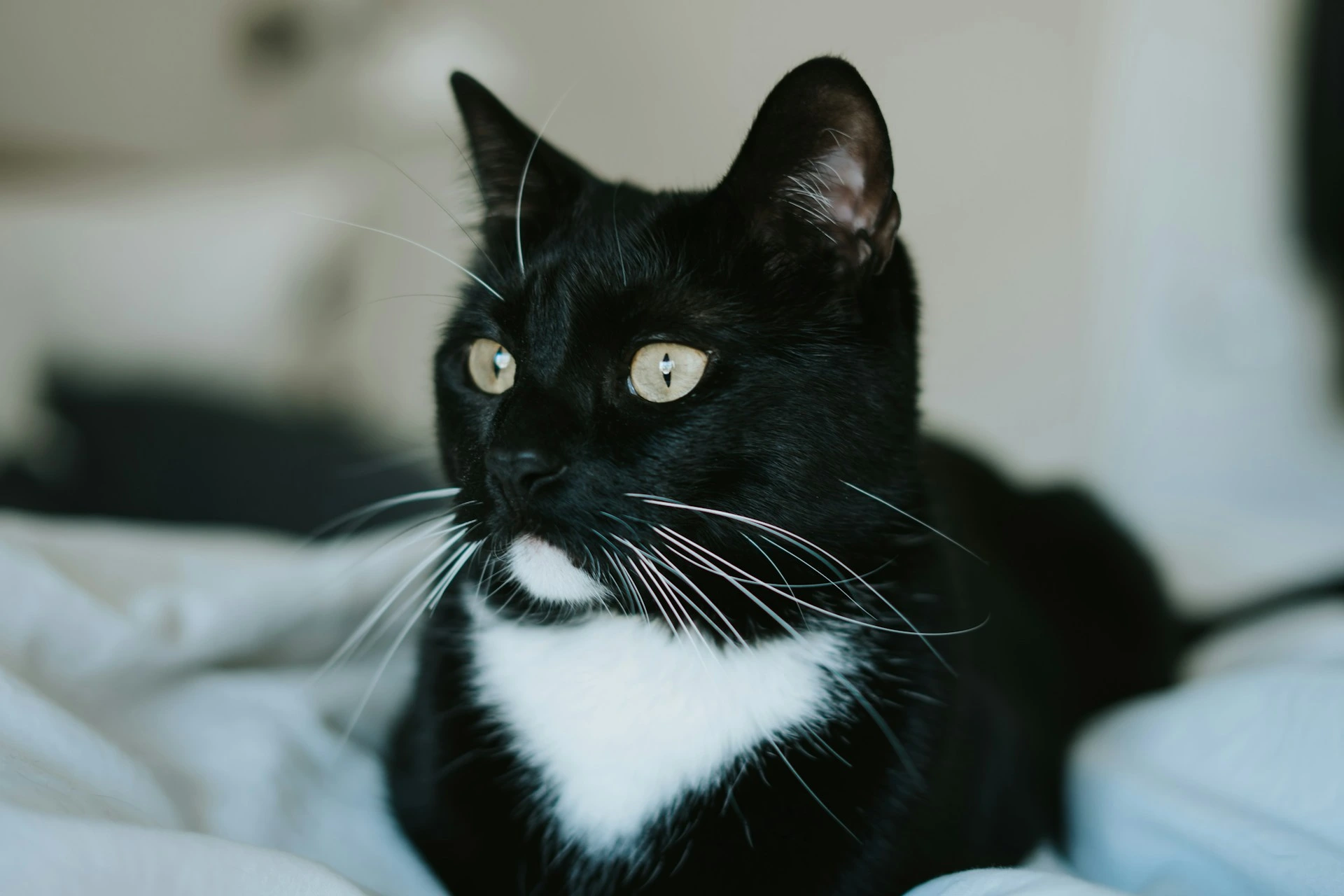
Adopting a Senior Pet: Why Older Pets Make Great Companions
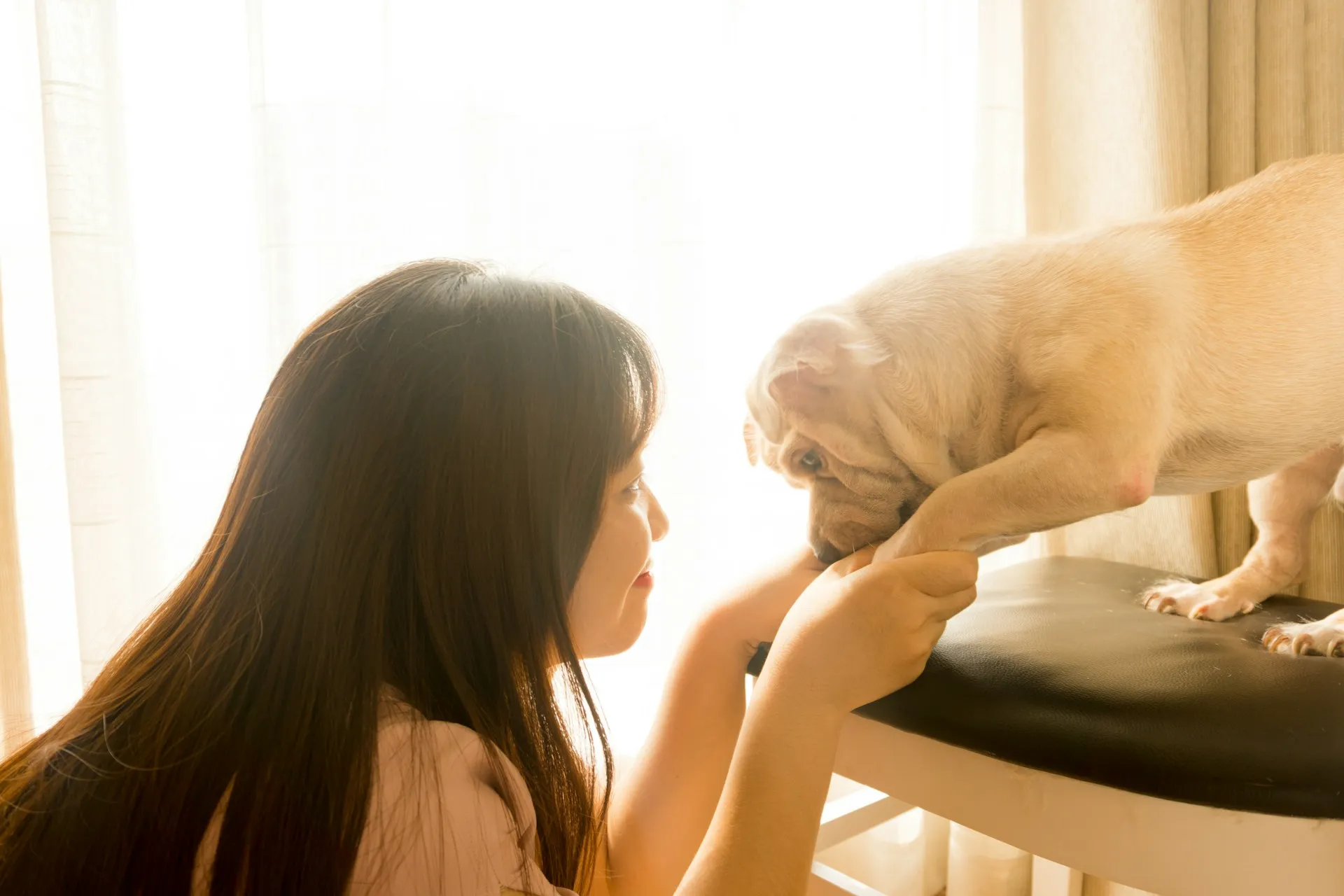
Why Positive Reinforcement Training Really Works
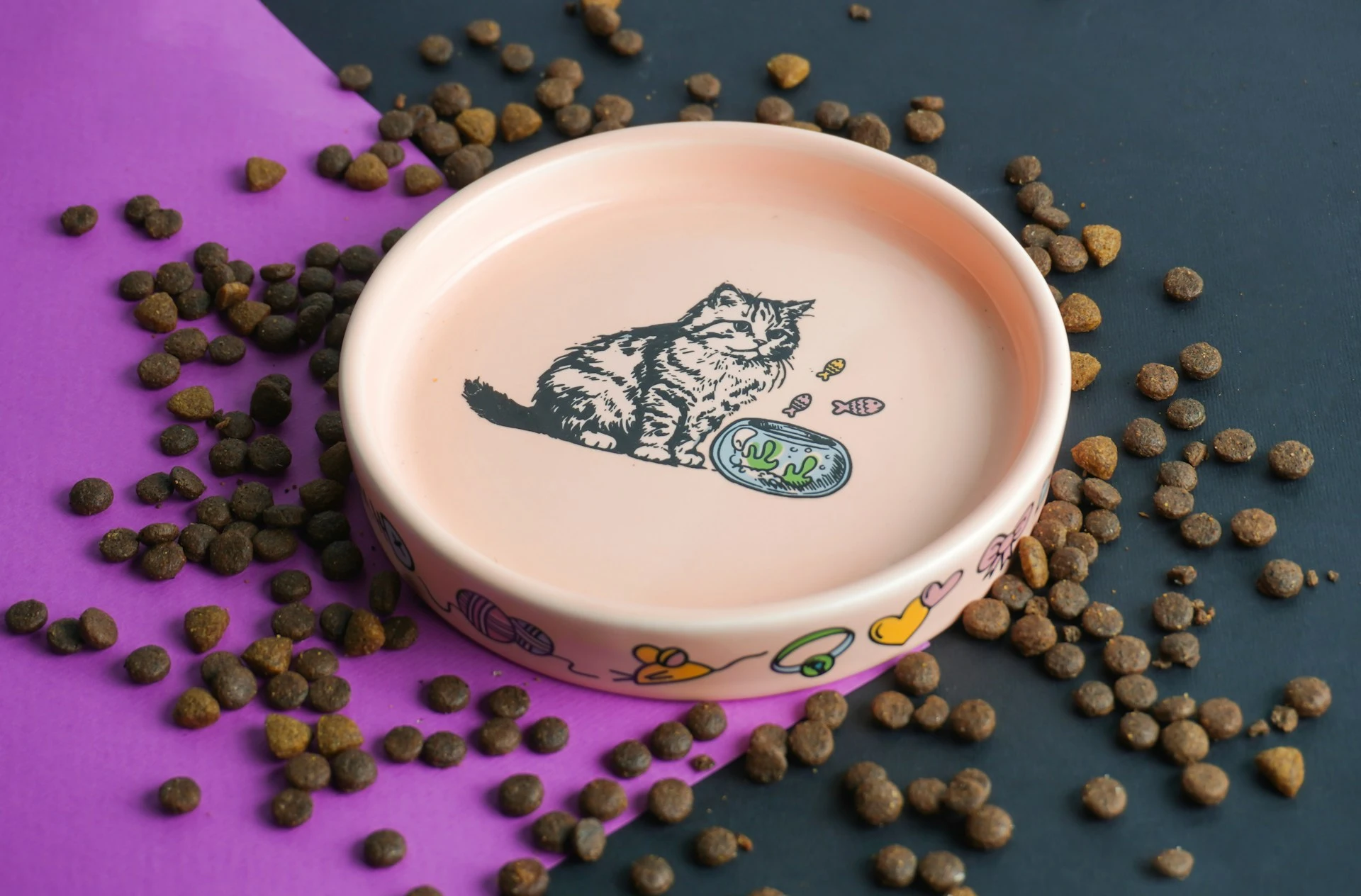
Understanding Food Allergies in Dogs
Safe Play Ideas to Keep Your Dog or Cat Active