Header Logo

When most people think about adopting a new furry friend, their minds often go straight to puppies or kittens. But if you’re looking for a pet who’s calm, affectionate, and already knows the ropes, adopting a senior pet might be the perfect choice. At Locust Grove Veterinary in Locust Grove, VA, we’ve seen countless older dogs and cats find loving homes. Their families often say it’s one of the best decisions they’ve ever made.
Senior pets have so much love left to give. While they may have a few gray whiskers and a slower step, they bring warmth, gratitude, and wisdom that younger pets simply can’t match. With the right care and a little patience, you’ll discover just how rewarding life with an older pet can be.
Why Adopting Senior Pets Deserves More Love
Senior dogs and cats are often overlooked in shelters, where they compete with younger, more energetic animals. Yet, they have many qualities that make them wonderful companions. In many cases, they’re already trained, well-mannered, and accustomed to home life.
When you adopt an older pet, you’re not just gaining a new family member; you’re giving a deserving animal a second chance at happiness.
The Advantages of Senior Pet Adoption
Senior dog and cat adoptions come with a unique set of benefits that often surprise first-time adopters:
- Predictable Personality: What you see is what you get. Their personalities are fully developed, so you know exactly who you’re bringing home.
- Already House-Trained: Most senior dogs understand house rules and are comfortable with daily routines. Many cats are already litter box pros.
- Mellow Temperament: Older pets are less likely to chew shoes, scratch furniture, or have endless energy bursts at 3 a.m.
- Eager to Bond: Senior pets often form deep attachments quickly—they know they’ve been given another chance.
- Gratitude and Companionship: Older animals often seem to sense your kindness and repay it with unconditional love.
Adopting a senior pet doesn’t just enrich your life; it saves theirs. Catster has a piece on adopting a senior cat, which you can read here. The ASPCA wrote a blog on the benefits of adopting older kitties. Click here to read.
What to Expect When Adopting a Senior Dog or Cat
Bringing an older pet into your home is a little different from adopting a youngster, but the process is every bit as fulfilling. Knowing what to expect helps you prepare for a smooth transition.
Health and Veterinary Care
Senior pets may come with pre-existing conditions or need more frequent checkups, but this shouldn’t discourage you. At Locust Grove Veterinary, we can perform a full wellness exam to assess your new pet’s overall health and create a personalized care plan.
Common age-related issues include:
- Arthritis or joint stiffness
- Dental disease
- Vision or hearing loss
- Changes in metabolism or digestion
With proper veterinary care, most of these conditions can be managed effectively, allowing your pet to live comfortably for years to come.
Adjusting to a New Home
Older pets may take a little time to adjust to new surroundings, especially if they’ve experienced loss or change. Be patient and provide a calm, predictable environment.
- Set up a quiet area with a cozy bed and fresh water.
- Stick to consistent feeding and walking schedules.
- Offer gentle reassurance, affection, and positive reinforcement.
Within a few weeks, your new companion will likely settle in and start showing their personality.
Exercise and Playtime
Senior pets still need exercise, just at a gentler pace. For dogs, daily walks keep muscles strong and joints flexible. Cats benefit from interactive toys that encourage movement without overexertion. Short, frequent play sessions help maintain mobility and mental sharpness.
Adjust activities to your pet’s comfort level, and ask your veterinarian about supplements or therapies that support joint health.
Caring for Senior Rescue Pets
Senior dogs and cats have unique needs, but caring for them isn’t as daunting as it might seem. A few simple adjustments can go a long way toward ensuring their comfort and well-being.
Nutrition for Senior Health
Diet plays a crucial role in maintaining your senior pet’s vitality. Older pets require fewer calories but need more targeted nutrients, including protein for muscle maintenance and antioxidants for immune support.
Ask your vet about senior-formulated diets or supplements that can help manage common issues like arthritis or dental concerns. Feeding smaller, more frequent meals can also help with digestion.
Comfort and Accessibility
Your home environment can make a big difference for your senior pet. Consider:
- Orthopedic or heated beds to relieve pressure on joints
- Non-slip rugs to help with mobility on smooth floors
- Ramps or steps for easier access to furniture or vehicles
- Easily accessible litter boxes or water bowls
Little changes like these make daily life easier for your aging companion.
Regular Veterinary Visits
Preventive care becomes even more important as pets age. Senior pets should have wellness exams every six months instead of once a year. These visits help detect health issues early—when they’re easier to manage—and allow your vet to adjust diet, medication, or lifestyle recommendations as needed.
At Locust Grove Veterinary, we provide comprehensive senior pet care that includes bloodwork, dental evaluations, and mobility assessments to keep your pet healthy and comfortable.
The Emotional Rewards of Adopting Older Pets
There’s something truly special about the quiet, steady companionship of a senior pet. They’re often content just to be near you, sharing peaceful moments on the couch or following you around the house.
Adopting an older pet also brings a deep sense of purpose. Knowing you’ve given a senior dog or cat love, stability, and comfort in their later years is one of the most rewarding feelings a pet parent can experience.
Many adopters tell us that senior pets seem to know they’ve been rescued—and their loyalty runs deep. These older souls often bond quickly and return your affection tenfold.
Overcoming Common Misconceptions
Some people hesitate to adopt senior pets because they worry about health problems or shorter lifespans. But with modern veterinary care and a healthy lifestyle, many senior pets live for years after adoption—often healthier and happier than ever before.
Myth: Senior Pets Can’t Learn New Things
Truth: Older pets can absolutely learn new behaviors! In fact, they often pick up new routines faster because they’re calmer and more focused than younger animals. Positive reinforcement training works wonders at any age.
Myth: They Won’t Bond with a New Family
Truth: Senior pets form incredibly strong bonds. Many seem to understand that they’ve been given a second chance and show endless affection and devotion.
Myth: Senior Pets Are Always Sick
Truth: While they may require extra monitoring, many senior dogs and cats are quite healthy. A consistent routine, balanced diet, and regular vet visits help them thrive well into their golden years.
Preparing for a Lifetime of Love
Before adopting a senior pet, it’s helpful to gather information about their history, medical needs, and temperament. Shelters and rescue organizations can usually provide detailed profiles, including favorite activities, previous training, and current medications.
Consider your lifestyle; if you prefer quiet evenings, an older pet may be a perfect match. They often appreciate calm households and steady companionship.
You can also prepare emotionally for the journey ahead. Senior pets may have fewer years left, but every moment spent with them is filled with gratitude and joy. The love you share will be both deeply meaningful and incredibly fulfilling.
Frequently Asked Questions
How old is considered senior for pets?
Generally, dogs and cats are considered seniors around age seven, though larger breeds may age faster.
Do senior pets require special diets?
Yes. Senior diets are often lower in calories but rich in nutrients that support joint, kidney, and heart health. Your veterinarian can recommend the right food for your pet’s needs.
Are older pets more expensive to care for?
Not necessarily. While they may need more frequent checkups, senior pets are typically calmer and require less training or activity than younger ones. Preventive care helps manage costs over time.
How can I help my senior pet adjust to a new home?
Provide routine, patience, and gentle reassurance. Keep their environment consistent, and offer plenty of affection as they settle into their new surroundings.
Visit Our Locust Grove, VA Veterinary Clinic
Are you searching for a vet near me in Locust Grove, VA to help you welcome a senior rescue pet into your home? Locust Grove Veterinary provides compassionate care and guidance to ensure your older dog or cat enjoys their golden years in comfort and good health. Call today to schedule a senior wellness exam or to learn more about adopting and caring for senior pets.
Want to learn more about our clinic and the services we offer? Visit our main Services page here. You can also read more about our Holistic veterinary medicine here, or our Pet Rehabilitation and Physical Therapy here.
This article is for informational purposes only. Always consult with your veterinarian for personalized advice, diagnosis, or treatment recommendations for your pet.
Creating a Yearly Wellness Routine for Your Pet

Why Microchipping Is a Lifesaver for Dogs and Cats
Reading Your Pet’s Body Language Like a Pro
Holistic Pain Relief Options for Aging Pets
How to Help Your Pet Adjust to a New Routine
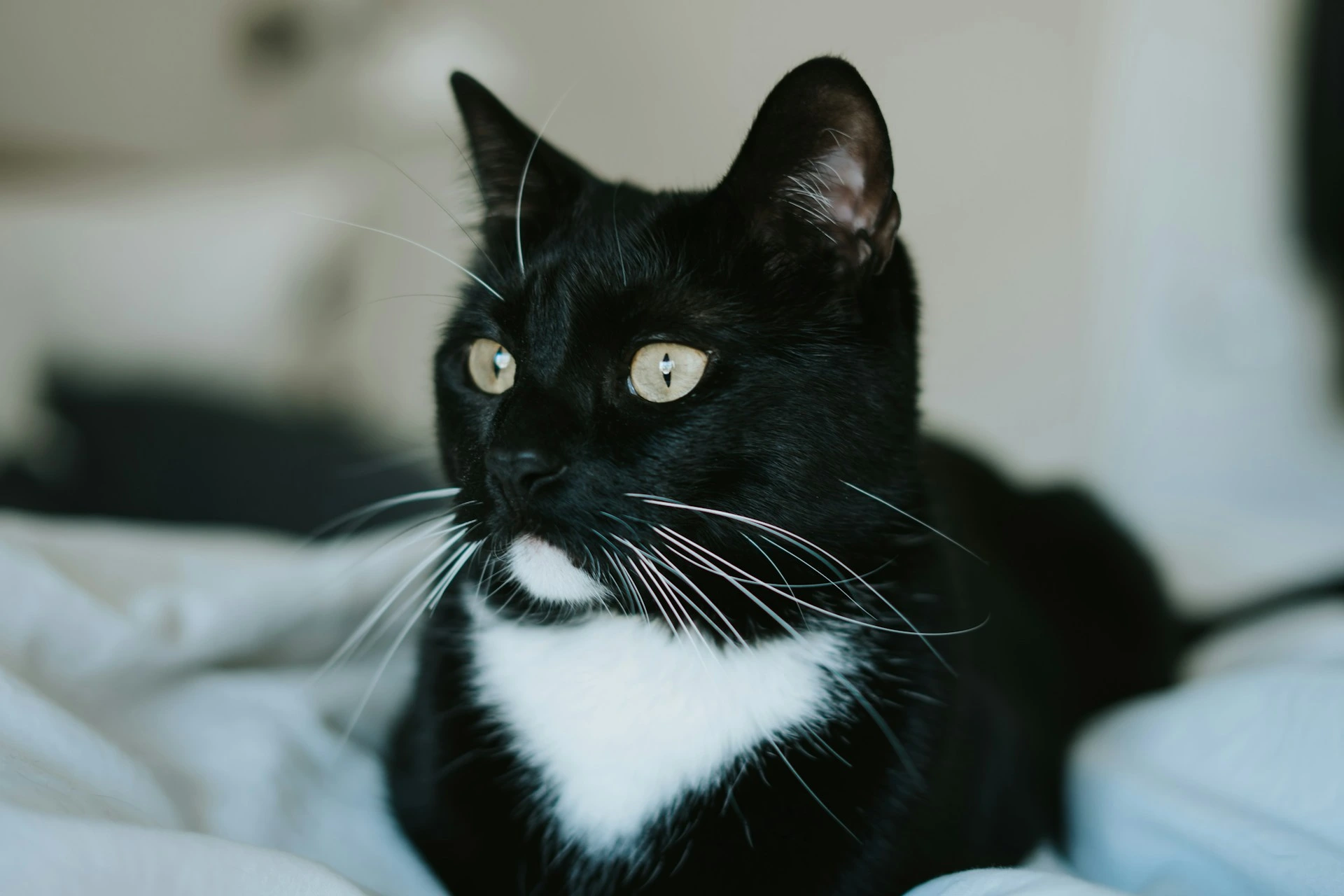
Adopting a Senior Pet: Why Older Pets Make Great Companions

Why Positive Reinforcement Training Really Works

Understanding Food Allergies in Dogs

Safe Play Ideas to Keep Your Dog or Cat Active