Header Logo

Whether your pup loves sprinting through the yard or your cat prefers a stealthy game of stalk the toy, play is one of the best ways to keep pets healthy, happy, and connected to you. At Locust Grove Veterinary in Locust Grove, VA, we know that regular pet exercise is essential, not only for physical fitness but also for mental stimulation and emotional well-being.
An active pet is a healthy pet. Dogs and cats that get consistent exercise maintain better muscle tone, have healthier hearts, and experience fewer behavioral problems. The good news? You don’t need fancy equipment or a big backyard to keep your furry friend moving—just creativity, patience, and a little playtime enthusiasm.
Why Regular Exercise Matters
Exercise isn’t just about burning energy; it’s about keeping your pet’s entire body and mind in balance. Active pets benefit in countless ways:
- Healthy weight management and reduced risk of obesity
- Improved digestion and joint flexibility
- Sharper focus and fewer destructive behaviors
- Lower stress and anxiety levels
- Stronger bond between you and your pet
Every breed, age, and personality is different, so tailoring your pet’s activity routine to their needs ensures they stay engaged without becoming overstimulated or exhausted.
Dog Playtime Ideas for Every Personality
Dogs are natural athletes, and their play preferences often depend on their breed and temperament. Some thrive on high-energy games, while others prefer slow, thoughtful challenges.
Classic Fetch with a Twist
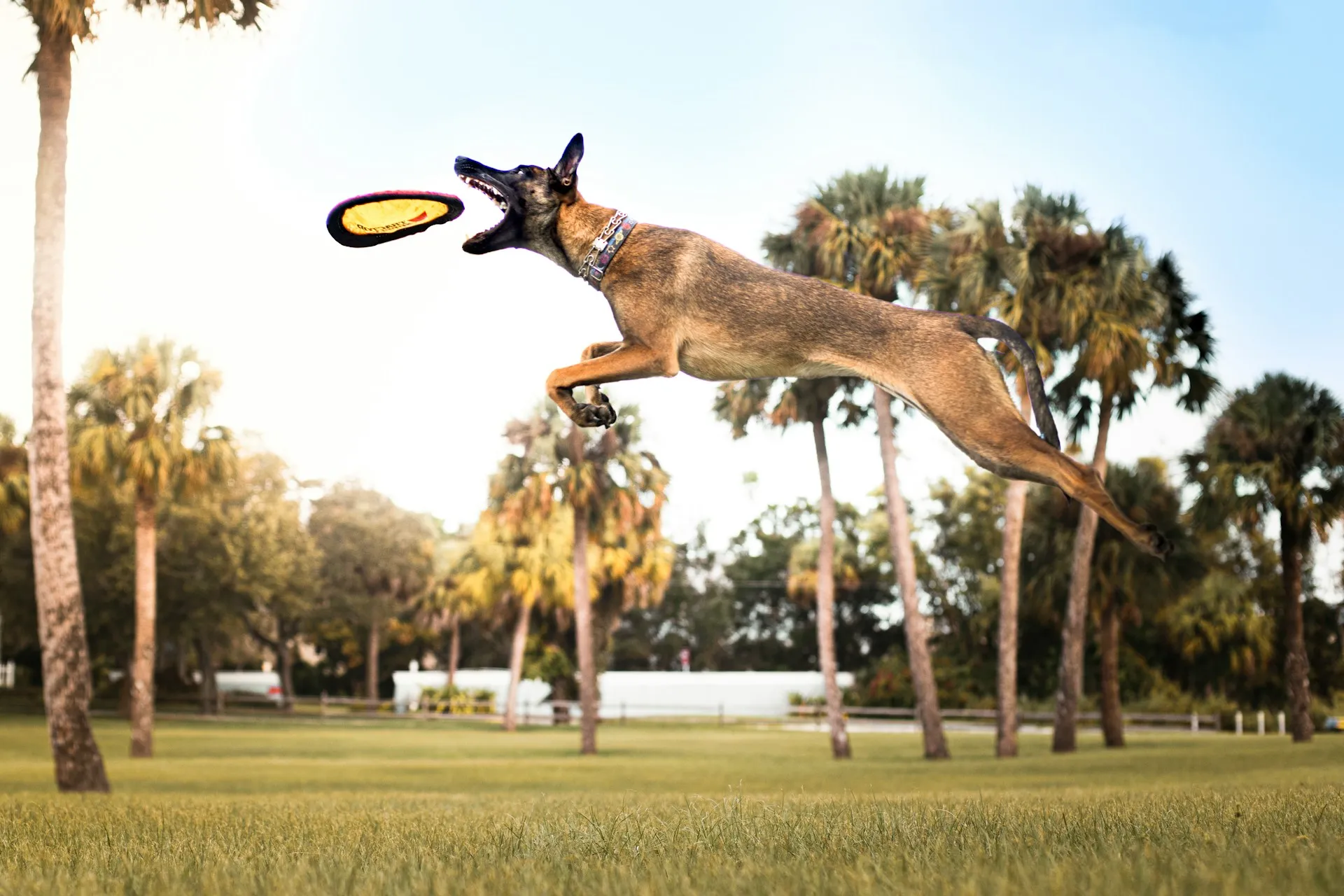
Fetch is a timeless favorite, but it doesn’t have to be repetitive. Switch up the routine with:
- Variety: Use different toys—balls, frisbees, or rubber bones—to keep it interesting.
- Terrain changes: Play on grass, sand, or in shallow water for extra muscle engagement.
- Obstacle fetch: Set up cones or small hurdles to make retrieval more stimulating.
Tug-of-War
This interactive game builds strength and deepens your bond. Always use a sturdy toy and set clear rules. Your dog should release the toy on command. Avoid rough play that might encourage biting or aggression.
Hide and Seek
Dogs love using their noses. Hide behind furniture or in another room and call your pup’s name. When they find you, reward them with praise or a treat. It’s a fun way to reinforce recall and encourage focus.
Puzzle Toys and Treat Challenges
Interactive toys and treat-dispensing puzzles turn mealtime into mental exercise. They encourage problem-solving and keep dogs occupied, especially when home alone.
Nature Walks and Hiking
Exploring new environments offers physical and sensory enrichment. Trails, parks, and even different neighborhoods provide exciting new smells and sights. Bring water, keep your dog leashed, and avoid overly strenuous hikes in extreme temperatures.
Indoor Pet Games for Rainy Days
Even on days when the weather won’t cooperate, your dog can still get exercise indoors.
- Indoor fetch: Use lightweight balls or plush toys in a hallway or open room.
- Training drills: Practice sit, stay, or roll-over commands for mental stimulation.
- DIY obstacle course: Use cushions, boxes, or tunnels for a fun agility challenge.
- Stair climbs: For dogs without joint issues, stair runs provide great cardio.
Indoor games prevent boredom and reduce anxiety, particularly for high-energy breeds that need an outlet when outdoor time is limited.
Blue Cross did an article on how to play with your dog. Click here to read it. Purina also has a fun piece on games you can play with Fido, which is here.
Cat Enrichment Activities
Cats may not always seem eager to exercise, but they’re natural hunters who love movement and challenge. The trick is tapping into those instincts.
Interactive Toys
Wand toys with feathers, ribbons, or bells simulate prey movement. Vary the speed and direction to mimic real hunting patterns. Rotate toys regularly so your feline friend doesn’t get bored.
Laser Pointer Fun (Used Safely)
Laser toys can be a great way to get your cat moving. Just end each session by letting them catch a toy or treat to avoid frustration. Always keep the laser away from your cat’s eyes.
Climbing and Perching
Cats love vertical spaces. Cat trees, window perches, and shelves encourage natural climbing behavior and provide mental stimulation. Position perches near sunny windows for bird-watching entertainment.
Hide and Seek Treats
Hide small treats or kibble around the house to encourage exploration. For extra engagement, place them in puzzle feeders that require your cat to bat, paw, or roll to get the reward.
DIY Indoor Adventure
Turn boxes, tunnels, and paper bags into an obstacle course. Cats enjoy exploring new textures and shapes. Just remove any handles or staples for safety.
Balancing Exercise with Safety
No matter how playful your pet is, safety always comes first. Keep these guidelines in mind:
- Avoid overexertion, especially in hot or humid weather.
- Always provide fresh water during and after play.
- Check toys for loose parts or damage before each session.
- Supervise play between multiple pets to prevent rough interactions.
- Adjust activity for age: senior pets benefit from shorter, gentler play sessions.
If your pet has arthritis, heart disease, or any mobility issues, ask your veterinarian for personalized exercise recommendations.
Encouraging Regular Activity
Some pets need a little motivation to stay active—especially indoor cats or older dogs. Here’s how to make playtime a natural part of their day:
- Schedule short, frequent sessions rather than one long workout.
- End playtime on a positive note to build anticipation for next time.
- Use a variety of toys and rotate them weekly.
- Make exercise social by inviting other friendly pets or incorporating family members.
Consistency helps pets develop positive associations with activity while improving physical endurance and emotional balance.
The Role of Veterinary Guidance
At Locust Grove Veterinary, we help pet parents create safe, customized exercise plans for all life stages. Regular checkups allow us to evaluate your pet’s joint health, weight, and stamina, ensuring their routine matches their physical abilities. For senior pets or those recovering from injury, we can recommend low-impact activities or rehabilitation options to keep them moving safely.
Frequently Asked Questions
How much exercise does my dog need each day?
Most dogs benefit from at least 30 minutes to two hours of activity daily, depending on their breed, size, and age.
Can indoor cats get enough exercise?
Yes, with daily play sessions and enrichment toys, indoor cats can stay physically and mentally stimulated. Rotate toys often and encourage climbing.
What’s the best way to motivate a lazy pet?
Start with short, engaging play sessions using high-value treats or toys your pet already enjoys. Gradually increase duration and variety.
Are certain toys unsafe for pets?
Avoid toys with small detachable parts, strings, or anything easily swallowed. Check toys regularly and replace damaged ones immediately.
Visit Our Locust Grove, VA Veterinary Clinic
Are you looking for a vet near me in Locust Grove, VA who can help design the perfect pet exercise plan? Locust Grove Veterinary offers personalized fitness and playtime advice to keep your dog or cat active, strong, and full of life. Call today to schedule an appointment or wellness consultation for your furry friend.
Want to learn more about our clinic and the services we offer? Visit our main Services page here. You can also read more about our Holistic veterinary medicine here, or our Pet Rehabilitation and Physical Therapy here.
This article is for informational purposes only. Always consult with your veterinarian for personalized advice, diagnosis, or treatment recommendations for your pet.
Creating a Yearly Wellness Routine for Your Pet
Why Microchipping Is a Lifesaver for Dogs and Cats
Reading Your Pet’s Body Language Like a Pro
Holistic Pain Relief Options for Aging Pets
How to Help Your Pet Adjust to a New Routine
Adopting a Senior Pet: Why Older Pets Make Great Companions
Why Positive Reinforcement Training Really Works
Understanding Food Allergies in Dogs
Safe Play Ideas to Keep Your Dog or Cat Active