Header Logo

Have you ever tried brushing your dog only to end up with more fur on yourself than on the brush? Or maybe your feline friend acts like the brush is a scary monster that’s out to get them. At Locust Grove Veterinary, your Locust Grove, VA, animal hospital, we understand that pet grooming is one of the most rewarding (and occasionally challenging) parts of at-home pet care. Regular grooming keeps your furry friend’s coat clean, reduces shedding, prevents matting, and strengthens your bond—all without needing a trip to the groomer every week.
Grooming isn’t just about making sure pets are looking good. It’s about keeping them comfortable, detecting early health issues, and keeping their skin and coat in top condition. With the right tools, techniques, and information, you can master grooming your dog or cat right in your own home.
Why Regular Grooming Matters
Grooming supports more than surface-level beauty; it’s essential for overall well-being. Dogs and cats naturally shed dander, oils, and loose fur. Without regular brushing, that buildup can lead to skin irritation, tangles, or even infections. Routine grooming also gives you a chance to check for things like:
- Fleas or ticks hiding beneath the fur
- Lumps, bumps, or unusual skin spots
- Redness, dryness, or signs of allergies
- Matted areas that could cause discomfort
Brushing, trimming nails, cleaning ears, and even wiping eyes all contribute to your pet’s health. Your veterinary clinic can guide you on how often to groom based on your pet’s breed, coat type, and lifestyle.
The Basics of Brushing Your Dog
Brushing your dog isn’t just about removing loose hair; it helps distribute natural oils across the coat for a healthy shine. It also prevents mats, which can tug at the skin and cause pain.
Choose the Right Brush
Different breeds require different grooming tools. Short-haired dogs benefit from rubber curry brushes that loosen dirt and shed hair. Medium and long-haired breeds often need slicker brushes or pin brushes to manage tangles. If you’re unsure, your vet can recommend a suitable brush for your pup’s coat type.
Establish a Routine
Start slow and keep sessions short. Brushing once or twice a week is enough for short-haired breeds, while long-haired dogs might need daily attention. Make it a positive experience with gentle strokes and calm praise. Offer a treat afterward to help your pooch associate grooming with reward and relaxation.
Check for Hidden Issues
As you brush, feel along your dog’s body for any unusual bumps, scratches, or tender areas. Regular grooming gives you an early warning if something’s not right, and you can mention these changes to your veterinarian during wellness visits.
Read more about bathing Fido at the Purina website here. Chewy also has a great article on dog baths here.
Grooming Your Cat: Easier Than You Think
Cats are generally great at self-care, but even the most dedicated of our feline overlords needs a little help maintaining a sleek, mat-free coat.
Brushing Techniques for Cats
For short-haired cats, a weekly brushing session is often enough. Long-haired breeds like Persians or Maine Coons may require daily grooming to prevent tangles and hairballs. Use a gentle brush or comb designed for cats and stroke in the direction of the fur. Most cats appreciate a calm, quiet environment during grooming.
Handling Mats
If you find mats, never pull or cut them with scissors. This can injure the skin. Instead, use a dematting comb or seek advice from your vet or a professional groomer. Regular brushing and a proper diet rich in omega fatty acids can reduce matting over time.
Checking Ears, Eyes, and Paws
While grooming your cat, gently check for ear wax buildup, watery eyes, or dirt between the toes. If your kitty resists, try short sessions and reward calm behavior with soft praise or a treat afterward. Patience goes a long way when dealing with feline pride.
Bath Time: How Often Is Too Often?
Many pet owners wonder how frequently they should bathe their pets. Dogs can usually benefit from a bath every four to eight weeks, depending on activity level and coat type. Cats, on the other hand, generally need baths only if they get into something sticky, dirty, or smelly.
Always use pet-safe shampoos, as human products can dry out or irritate your pet’s skin. Lukewarm water and a gentle approach are key—especially for anxious pets. Afterward, towel-dry thoroughly or use a low, cool blow dryer setting if your pet tolerates it.
Nail Trimming Without the Drama
Nail care is often the most intimidating part of at-home pet care, but it’s essential. Long nails can alter your pet’s posture and lead to joint strain.
- Start by touching your pet’s paws often so they get used to being handled.
- Trim just the tips of clear nails, avoiding the pink quick inside.
- For dark nails, take off very small amounts at a time.
- If you’re nervous, your vet or groomer can demonstrate the proper technique.
Keeping nails short helps prevent accidental scratches and supports healthy movement for both dogs and cats.
Cleaning Ears and Teeth
Cleaning your pet’s ears prevents infections, especially in floppy-eared breeds. Use a vet-approved ear cleaner and a cotton ball. Never insert anything deep into the ear canal. Wipe gently and reward calm behavior.
Dental health is another often-overlooked part of grooming. Brushing your dog’s teeth several times a week—or even daily—is ideal. Cats can also benefit from dental wipes or finger brushes. Regular dental care reduces tartar buildup and keeps bad breath at bay.
Making Grooming a Positive Experience
Your furry friend might not love every grooming session at first, but patience and positivity make all the difference. Start grooming when your pet is relaxed, use gentle touch, and always finish with a reward or affection. For anxious pets, shorter, more frequent sessions help build confidence.
- Begin brushing in easy-to-reach areas like the back or shoulders.
- Gradually work toward sensitive spots like the belly, paws, and tail.
- Speak softly and maintain calm energy throughout the session.
Consistency builds trust and makes grooming a bonding experience rather than a battle.
When to Ask for Help
If you notice skin irritation, severe matting, or your pet becomes aggressive or fearful during grooming, it’s time to seek help. Locust Grove Veterinary can assess whether the issue is behavioral, medical, or environmental. Sometimes skin allergies, parasites, or pain make pets resist grooming, and your vet can identify and treat these problems.
Professional groomers are also a great resource for tricky trims, especially for breeds that require specialized care. Partnering with your vet and groomer ensures your pet looks and feels their best year-round.
Frequently Asked Questions
How often should I brush my dog?
Short-haired dogs may only need brushing once a week, while long-haired breeds benefit from brushing several times a week or daily to prevent mats. Ask your vet for specific advice.
Can I use human shampoo on my pet?
No. Human shampoos can disrupt your pet’s skin pH balance and cause irritation. Always choose products formulated for dogs or cats.
Do indoor cats need grooming?
Yes. Even indoor cats benefit from brushing to reduce shedding and prevent hairballs. Regular grooming also helps you spot potential health issues early.
What should I do if my pet hates grooming?
Start slow, keep sessions short, and use positive reinforcement. For severe anxiety, ask your vet about professional grooming support or calming options.
Visit Our Locust Grove, VA Veterinary Clinic
Are you looking for a vet near me in Locust Grove, VA to help you with pet grooming techniques or coat care advice? Locust Grove Veterinary offers guidance on safe, effective grooming practices for dogs and cats, ensuring your furry friend stays healthy, happy, and looking their best. Call today to schedule an appointment or ask about professional grooming recommendations for your pet.
Want to learn more about our clinic and the services we offer? Visit our main Services page here. You can also read more about our Holistic veterinary medicine here, or our Pet Rehabilitation and Physical Therapy here.
This article is for informational purposes only. Always consult with your veterinarian for personalized advice, diagnosis, or treatment recommendations for your pet.
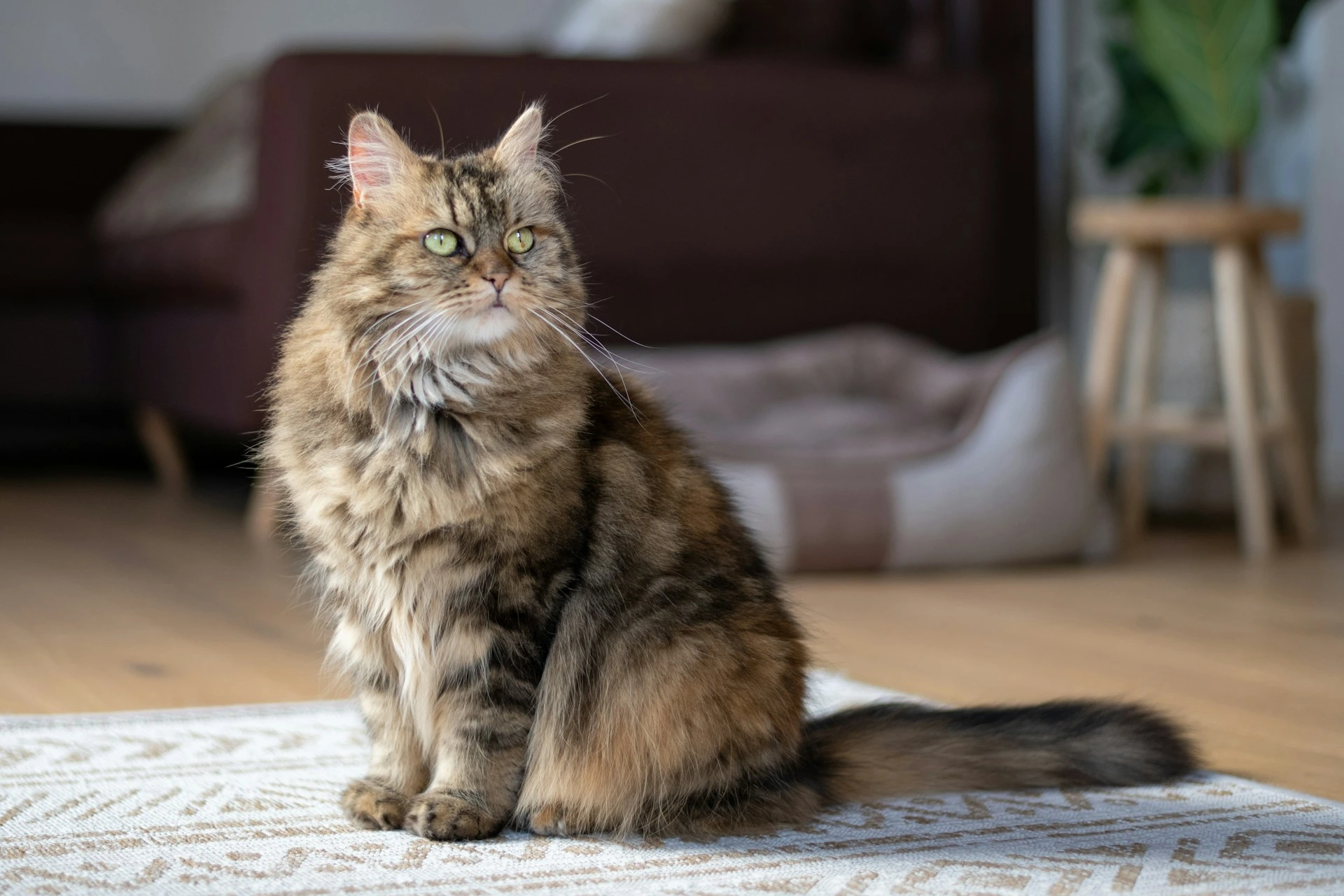
Creating a Yearly Wellness Routine for Your Pet

Why Microchipping Is a Lifesaver for Dogs and Cats
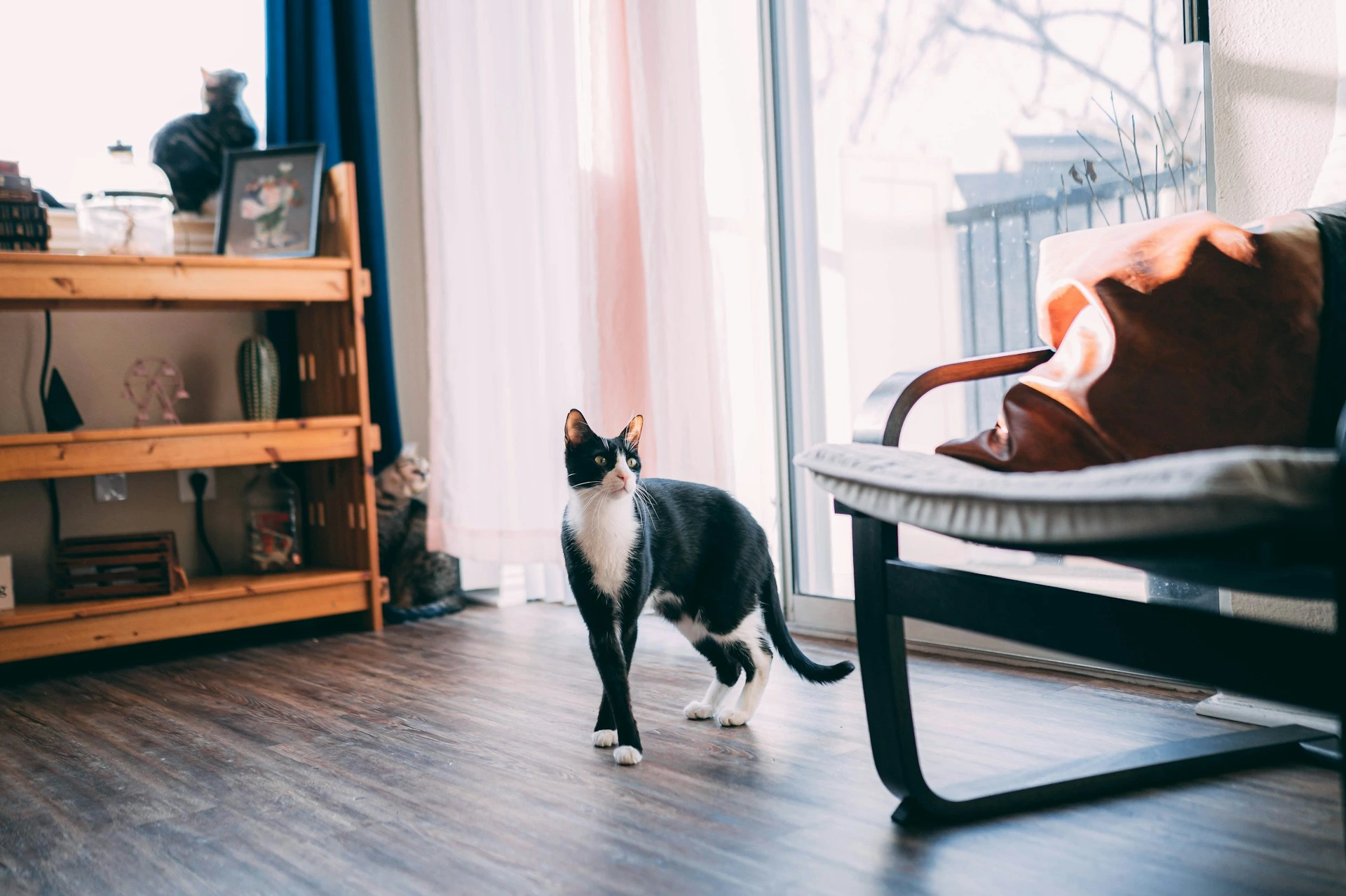
Reading Your Pet’s Body Language Like a Pro
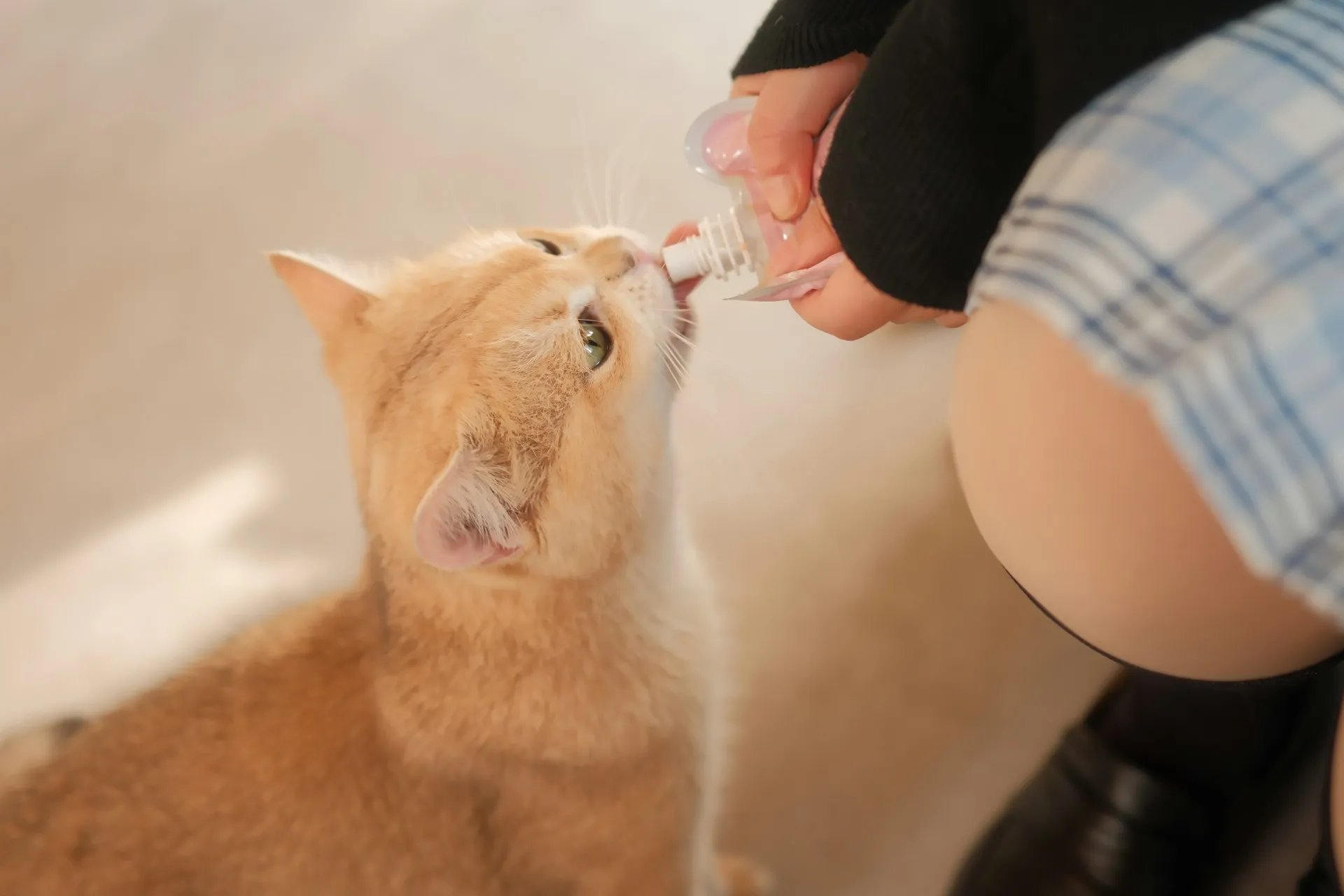
Holistic Pain Relief Options for Aging Pets
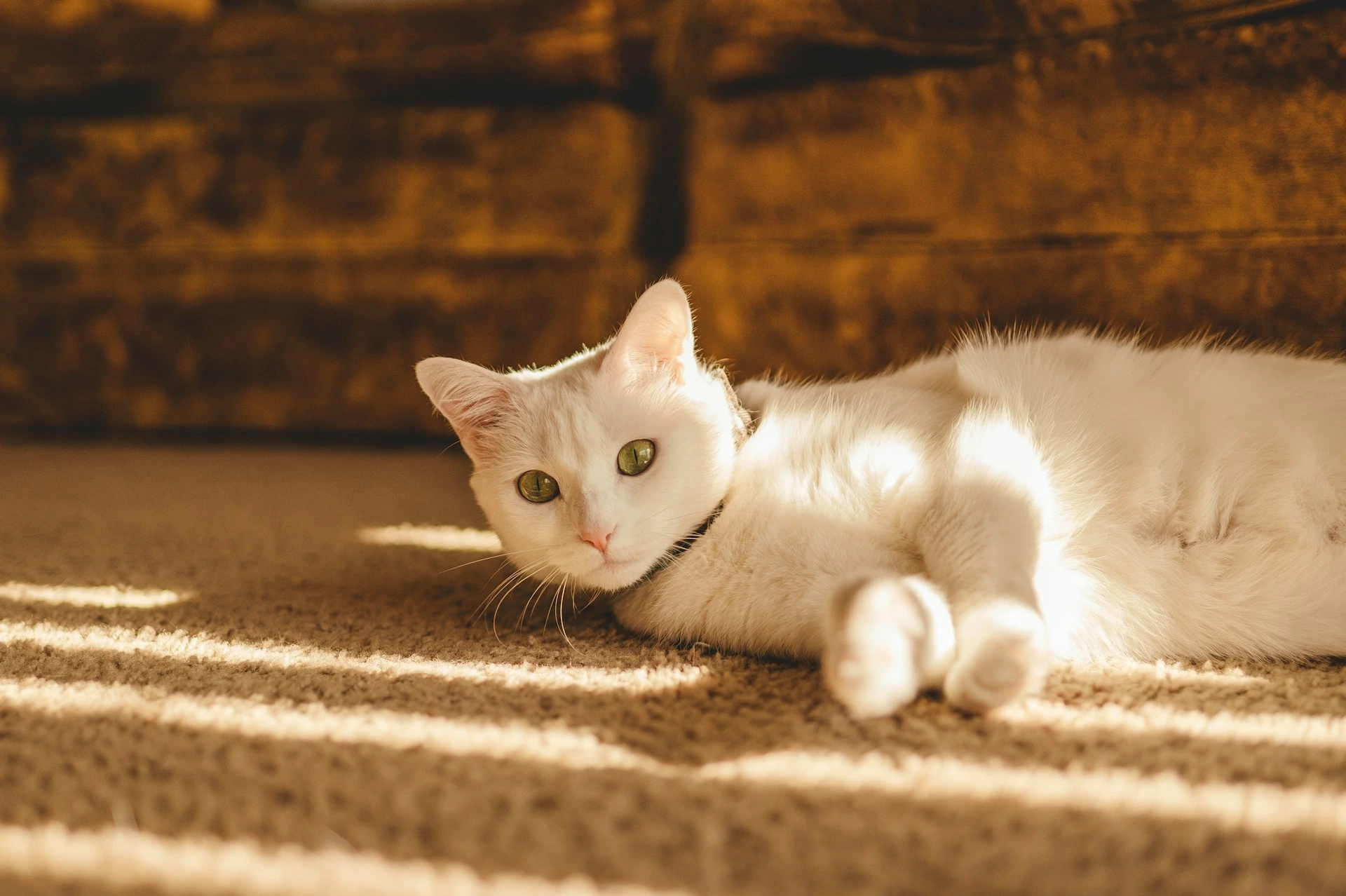
How to Help Your Pet Adjust to a New Routine

Adopting a Senior Pet: Why Older Pets Make Great Companions

Why Positive Reinforcement Training Really Works
Understanding Food Allergies in Dogs

Safe Play Ideas to Keep Your Dog or Cat Active