Header Logo

Is your furry buddy a bit round? If so, your pet is in good company. It’s no secret that a little extra fluff can be adorable, but when your furry friend’s fluff turns to fat, it can spell trouble. At Locust Grove Veterinary, your Locust Grove, VA, pet clinic, we understand that pet weight management is about more than looks. It’s a vital part of long-term health and happiness. Whether you’re helping your pup shed a few pounds or keeping Fluffy’s figure trim, small changes in daily habits can make a big difference.
Weight issues in pets are increasingly common, especially as indoor lifestyles become the norm. Many dogs and cats live comfortably indoors, but without enough exercise or the right nutrition, even healthy pets can start gaining unwanted pounds. Understanding the basics of weight management and recognizing early warning signs can help you keep your four-legged buddy in great shape year-round.
Why Pet Weight Management Matters
A healthy weight is key to a longer, more active life. Overweight pets are more prone to serious health issues such as:
- Arthritis and joint pain that reduce mobility and playfulness
- Diabetes and insulin resistance, especially in cats
- Heart disease and breathing difficulties
- Shortened lifespan and reduced quality of life
Excess weight adds stress to pets’ bones, joints, and organs. Even a few extra pounds can make a big difference when your pooch only weighs 25 pounds to begin with. Regular checkups at your trusted veterinary clinic help catch weight gain early and identify whether it’s caused by overeating, lack of activity, or an underlying medical condition.
The Association For Pet Obesity Prevention has some great information on pet body scoring on their site here. PetMD has a very informative article about obesity in cats, which you can read here.
Spotting Signs Your Pet May Be Overweight
Most pet parents notice weight gain gradually. Your feline friend might look a little rounder or your pup may seem to tire faster during walks. But subtle signs often appear long before the scale shows a big change. Look for these clues:
- You can’t easily feel your pet’s ribs when gently pressing their sides
- Your furry pal lacks a visible waistline when viewed from above
- Movement seems slower, or your pet struggles to jump or climb
- Your four-legged friend pants excessively or hesitates to exercise
If any of these sound familiar, it’s time to talk with your vet about a plan to restore your pet’s healthy balance.
Healthy Pet Weight Tips You Can Start Today
Good pet weight management doesn’t always require drastic changes. Consistency is the key. Here are practical strategies you can begin right away:
Feed the Right Portions
One of the biggest contributors to pet weight gain is overfeeding. Measure your pet’s food using a proper scoop instead of estimating. Follow feeding guidelines provided by your veterinarian rather than relying solely on packaging. Remember, caloric needs vary by age, breed, and activity level.
Choose High-Quality Nutrition
Your furry bestie’s diet should include balanced nutrients to maintain muscle while limiting excess calories. Discuss dog and cat nutrition with your vet to determine the best formula for your pet’s lifestyle. Cats often benefit from more protein and moisture, while active dogs may need specific energy sources for sustained play.
Schedule Regular Exercise
Even ten extra minutes of playtime can make a difference. For dogs, add an extra walk or engage in games like fetch or hide-and-seek. For cats, laser pointers, climbing trees, or interactive toys can encourage movement. Exercise strengthens muscles and supports heart health. Plus, it’s a great bonding experience.
Limit Treats and Table Scraps
We all love rewarding our pets, but treats should make up no more than 10% of daily calories. Replace calorie-dense snacks with healthier options, like small bits of carrot or green bean. Avoid feeding table scraps, which can quickly pack on pounds and upset digestion.
How Veterinary Checkups Help with Weight Goals
Your vet is your best partner in maintaining your pet’s ideal weight. During annual wellness exams, Locust Grove Veterinary’s team checks body condition scores, monitors muscle tone, and evaluates overall health.
Our animal hospital can also help design a personalized plan that factors in:
- Breed-specific calorie needs
- Exercise routines suitable for your pet’s age and health
- Nutritional counseling for both dogs and cats
- Weight tracking between visits
Having professional guidance keeps you accountable and ensures your furry pal stays safely within a healthy weight range.
Common Myths About Pet Weight
There’s a lot of misinformation out there about pet dieting and nutrition. Let’s clear up a few myths:
Myth 1: My pet will be hungry if I feed less.
Not necessarily! Many pets are satisfied with appropriate portions when given high-quality, nutrient-rich food and enrichment activities that distract from boredom.
Myth 2: Exercise alone will fix it.
While physical activity is essential, calorie control matters most. Even active pets can gain weight if they eat too much or consume calorie-dense foods.
Myth 3: A chubby cat is a happy cat.
Actually, excess weight can cause serious joint pain and mobility issues, which often make cats less playful and more withdrawn.
Fun Ways to Keep Your Furry Friend Active
Keeping your pet active doesn’t have to feel like a chore. Try these fun, energy-burning activities that support healthy pet weight tips:
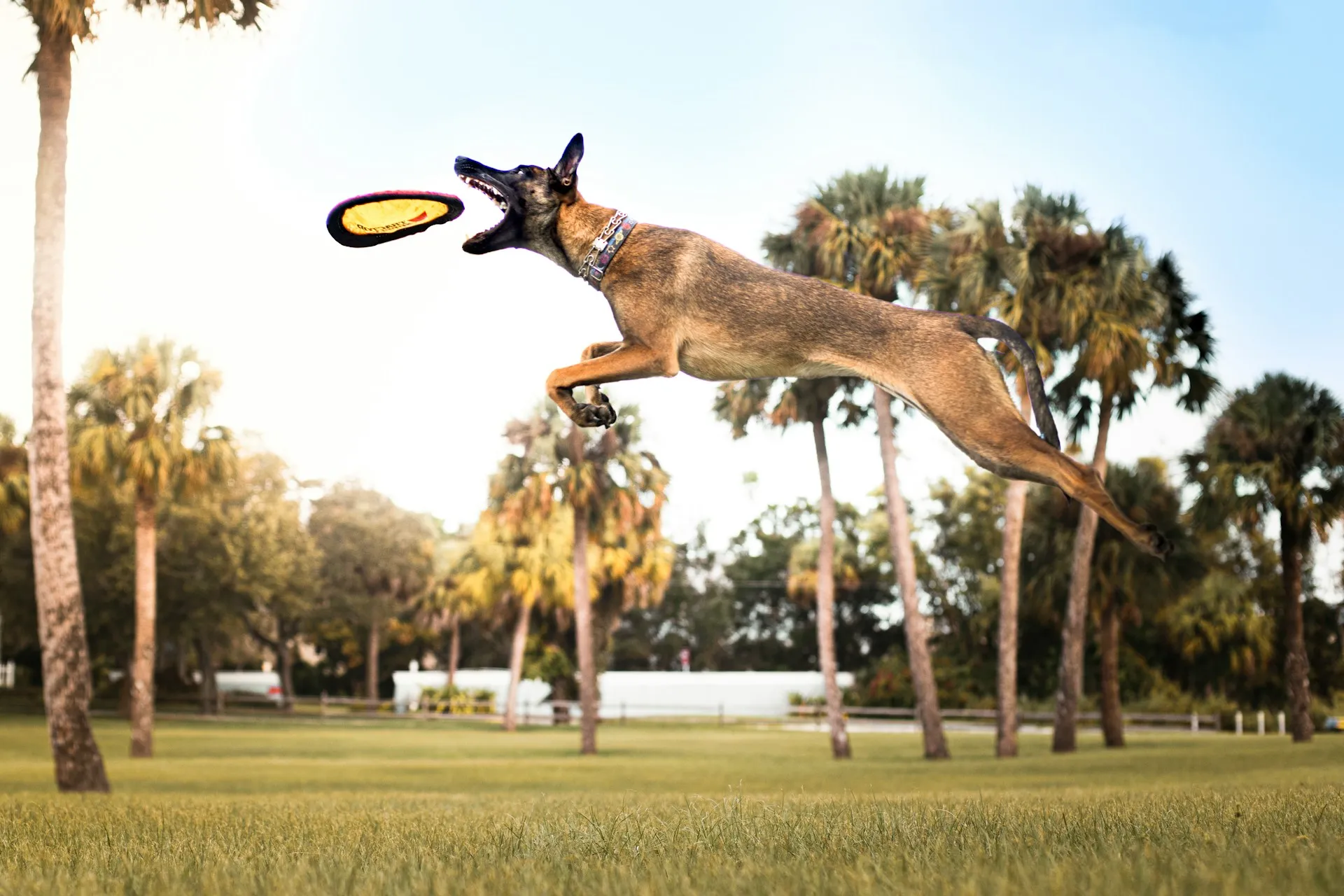
- For dogs: Play fetch, go swimming, or set up a mini obstacle course.
- For cats: Use puzzle feeders, toy mice, or feather wands to mimic hunting.
- For both: Schedule regular interactive play sessions and switch up toys often to prevent boredom.
The key is variety. Different types of movement engage both mind and body, helping your furry buddy burn calories while staying sharp and entertained.
Understanding Overweight Pets and Health Risks
Being overweight doesn’t just affect appearance; it affects how pets feel. Overweight dogs may develop chronic inflammation, while overweight cats risk fatty liver disease, a serious condition that can be life-threatening.
Your veterinarian may recommend diagnostic testing if your pet’s weight gain is sudden or unexplained, ensuring no underlying conditions, like thyroid imbalance or Cushing’s disease, are at play. With early detection and a tailored care plan, most pets can return to their ideal weight safely and comfortably.
Supporting a Lifelong Healthy Routine
Consistency is everything when it comes to pet weight management. Set up a daily schedule for meals and walks, and keep track of your pet’s progress. Locust Grove Veterinary can provide nutritional consultations, recommend appropriate diets, and suggest creative ways to keep your furry pal moving.
Remember—this isn’t just about a number on the scale. It’s about helping your four-legged friend live a happier, more energetic life.
Frequently Asked Questions
What’s the easiest way to tell if my pet is overweight?
You should be able to feel—but not see—your pet’s ribs. A defined waistline should be visible from above. If your pet feels round or barrel-shaped, schedule a wellness visit.
How much exercise does my dog need daily?
Most dogs benefit from at least 30 minutes to two hours of activity per day, though this will vary a bit depending on Fido’s breed and age. Ask your vet for recommendations, as exercise routines should be specifically tailored to your canine companion.
Can cats lose weight through play alone?
Play helps, but portion control is vital. Use puzzle feeders to encourage movement during mealtime and monitor weight regularly.
Do indoor pets gain weight more easily?
Yes. Indoor lifestyles often mean less activity. Increasing interactive play and adjusting diet helps prevent excess weight gain.
Visit Our Locust Grove, VA Veterinary Clinic
Are you looking for a vet near me in Locust Grove, VA who can help your furry bestie achieve a healthy weight? At Locust Grove Veterinary, our caring team can create a customized plan for pet weight management that fits your pet’s age, lifestyle, and personality. Schedule an appointment today and let us help your furry friend live their healthiest, happiest life.
Want to learn more about our clinic and the services we offer? Visit our main Services page here. You can also read more about our Holistic veterinary medicine here, or our Pet Rehabilitation and Physical Therapy here.
This article is for informational purposes only. Always consult with your veterinarian for personalized medical advice, diagnosis, or treatment recommendations for your pet.
Creating a Yearly Wellness Routine for Your Pet
Why Microchipping Is a Lifesaver for Dogs and Cats
Reading Your Pet’s Body Language Like a Pro
Holistic Pain Relief Options for Aging Pets
How to Help Your Pet Adjust to a New Routine
Adopting a Senior Pet: Why Older Pets Make Great Companions
Why Positive Reinforcement Training Really Works
Understanding Food Allergies in Dogs
Safe Play Ideas to Keep Your Dog or Cat Active